

Student Well-Being
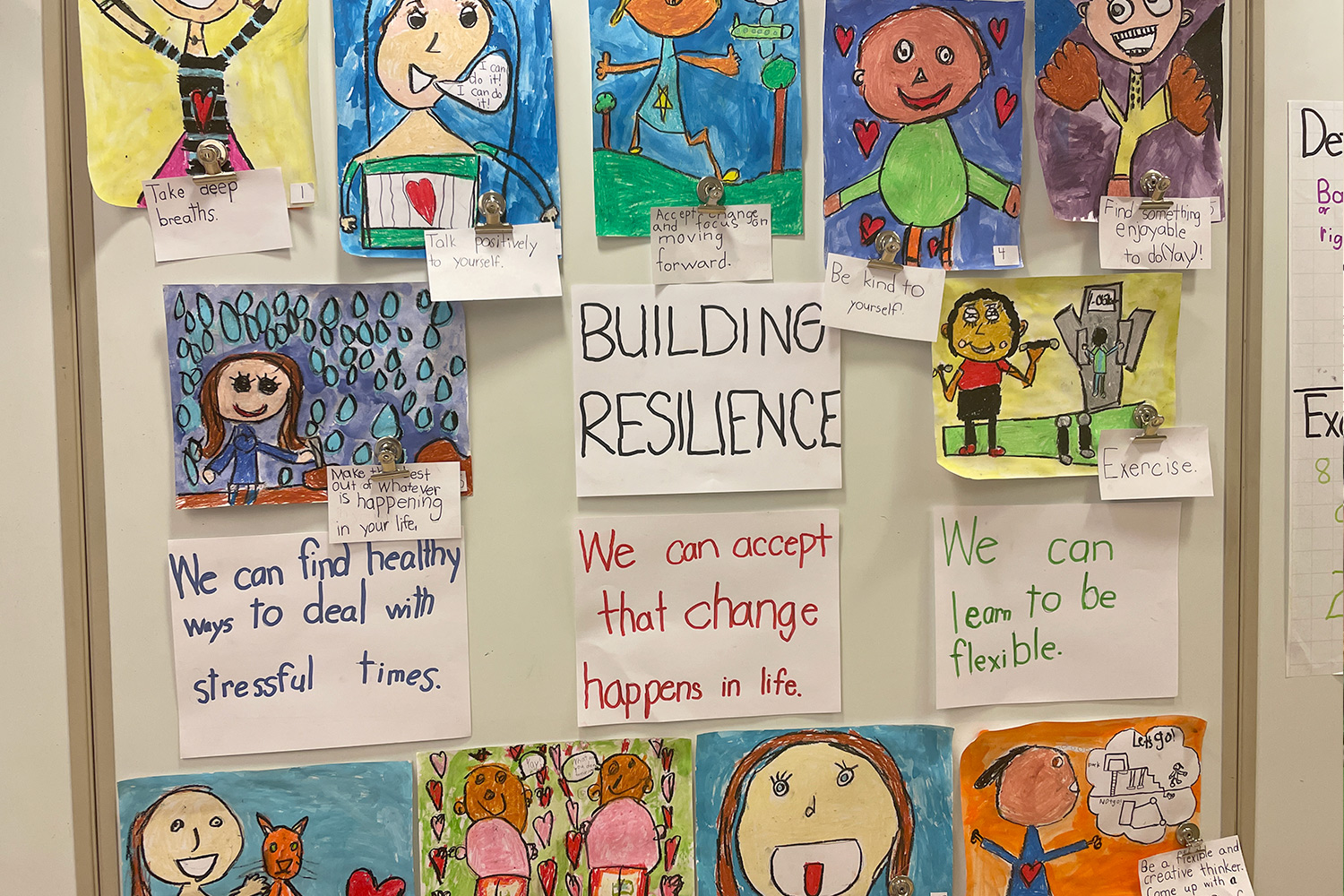
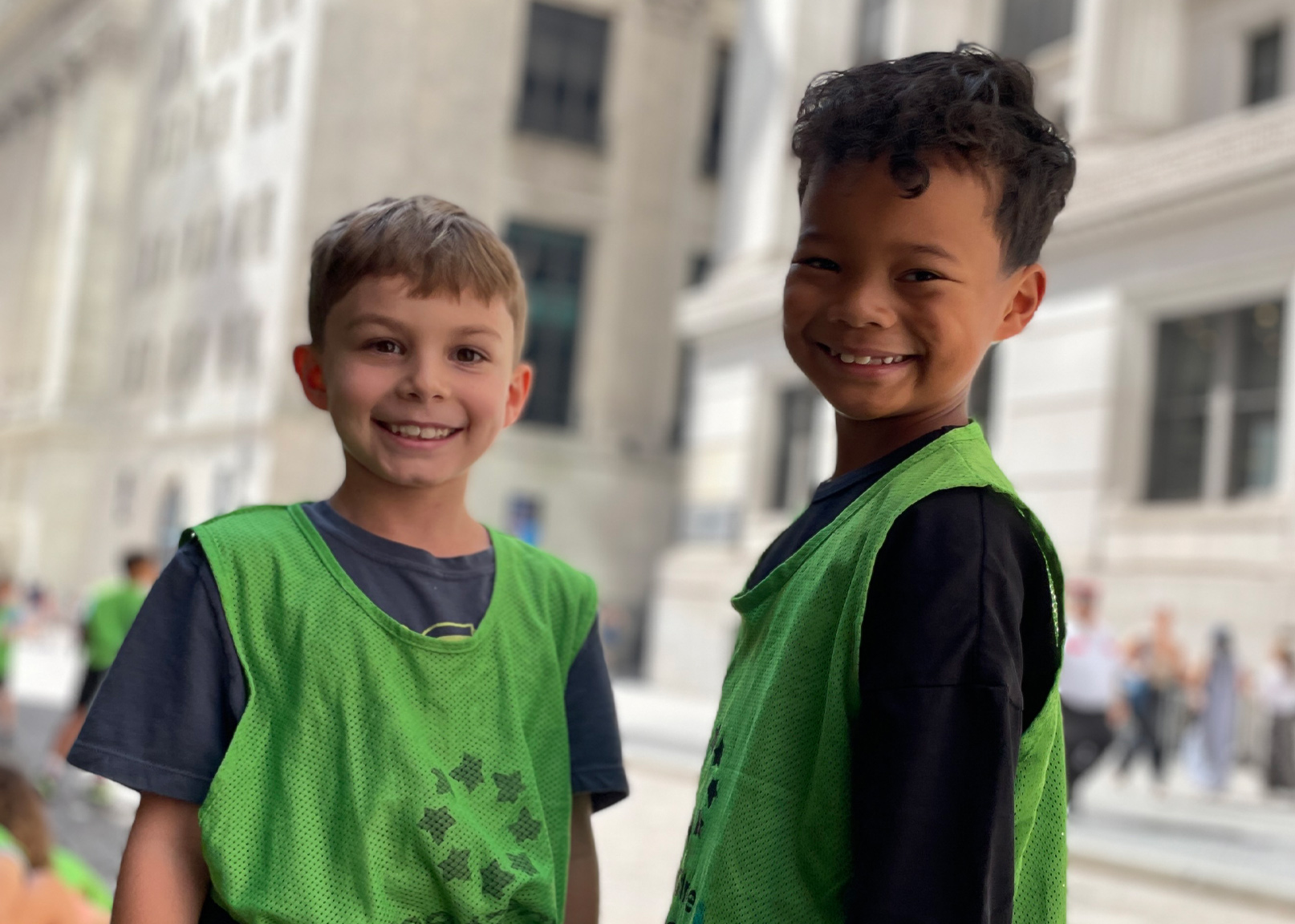
Children learn best when they feel safe, known, and supported. At Pine Street School, student well-being is part of the daily experience, shaped by close relationships, small classes, thoughtful routines, and a school culture that values the whole child.
Care Built Into the Day
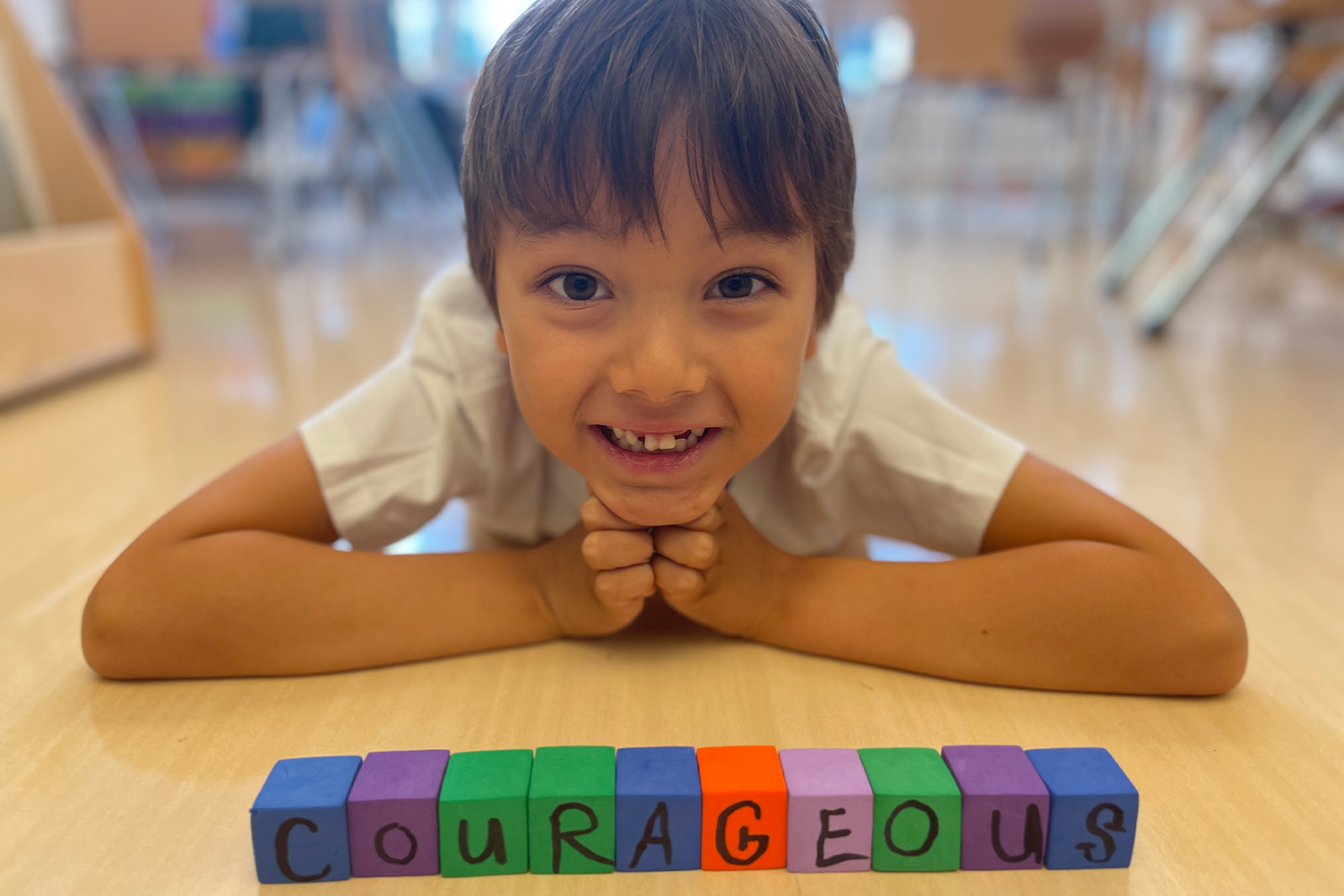
In the early years, Montessori practices such as Grace and Courtesy help children care for themselves, interact respectfully with others, and contribute to their community. As students grow, these foundations connect naturally with the IB Learner Profile and its emphasis on being balanced, caring, reflective, and principled. In Middle School, each student has a Teacher Advisor who knows them well and checks in regularly.
Belonging and Community
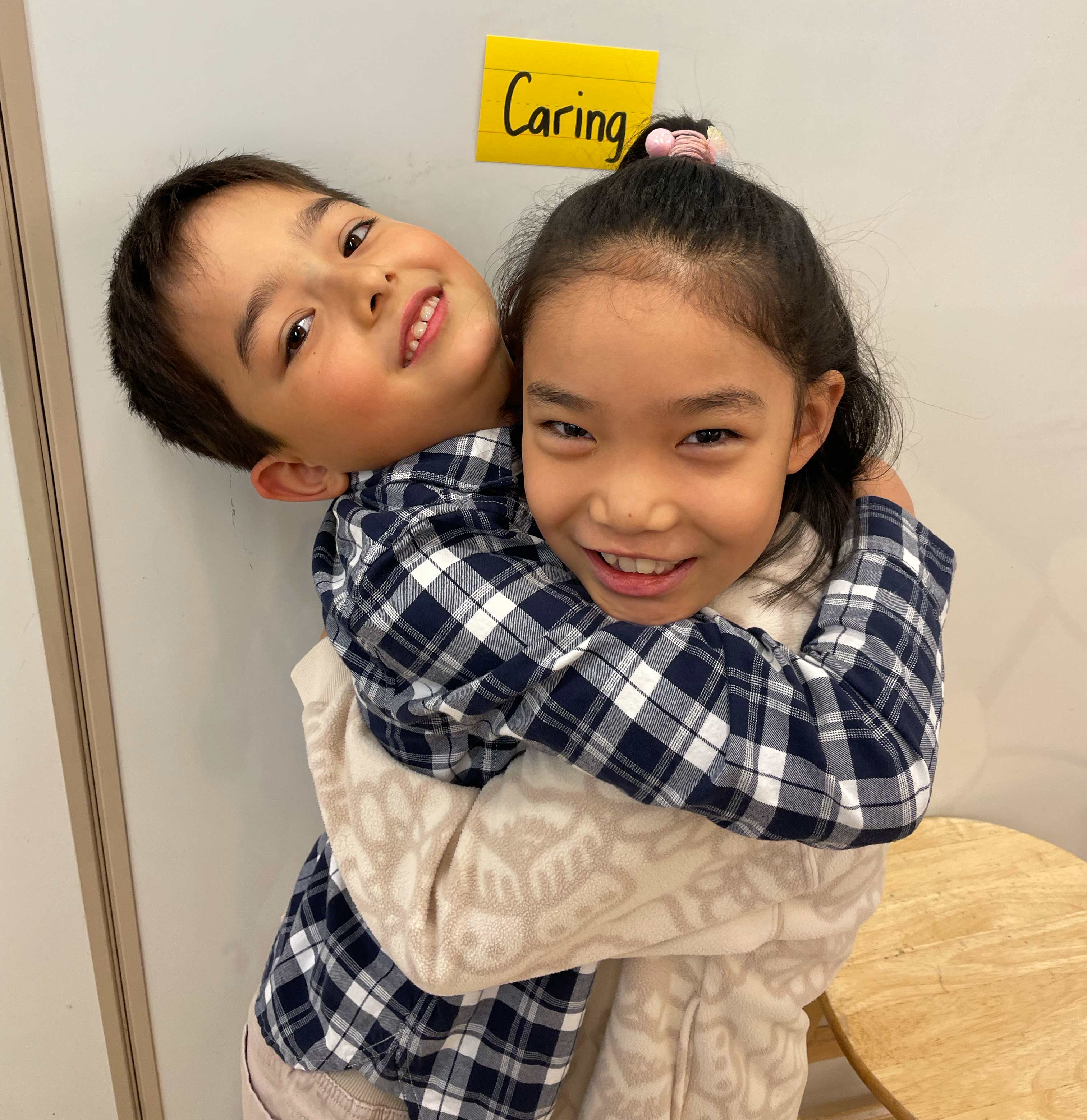
Well-being is closely connected to belonging. Shared meals, classroom traditions, collaborative learning, service, and everyday relationships help students feel that they are known and that they have a meaningful place within the school community. Across age groups, students learn how to care for themselves, support one another, navigate relationships, and take increasing responsibility for their own well-being.
Mindfulness in Practice
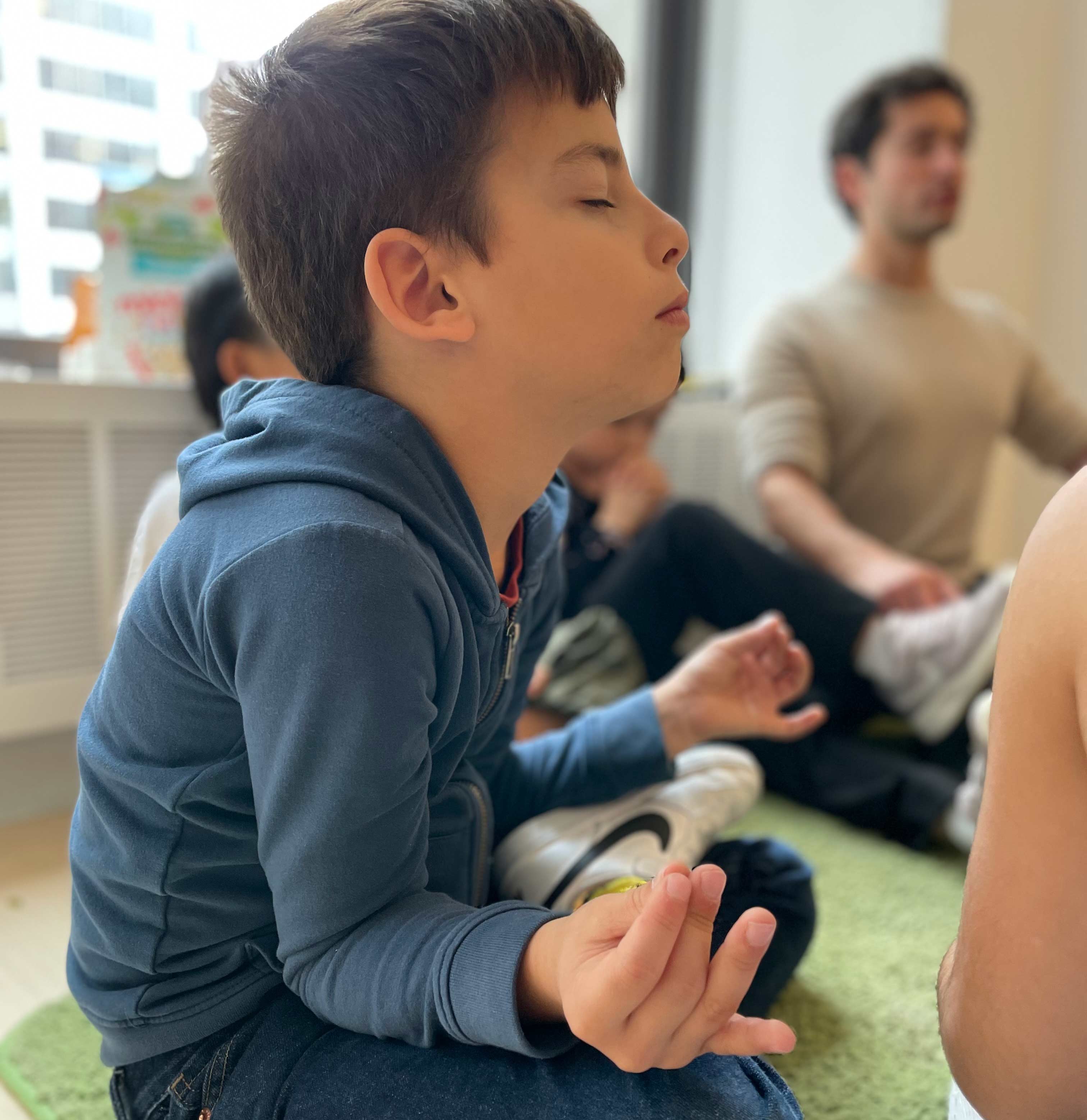
Mindfulness gives students opportunities to slow down, focus their attention, and become more aware of how they are feeling. Practices such as breathing, reflection, and meditation support self-regulation and connect naturally to the IB emphasis on becoming balanced and reflective learners.

.jpeg)
.jpeg)

Dedicated Student Support
Pine Street School’s student support program is led by James Doga, Director of Student Support, who works closely with teachers, advisors, school leadership, students, and families to coordinate social and emotional support. This becomes especially important in Upper Elementary and Middle School as students take on greater independence, navigate more complex relationships, and prepare for high school.