

Elementary School
Kindergarten through Grade 5, the heart of the IB PYP journey.
Introduction
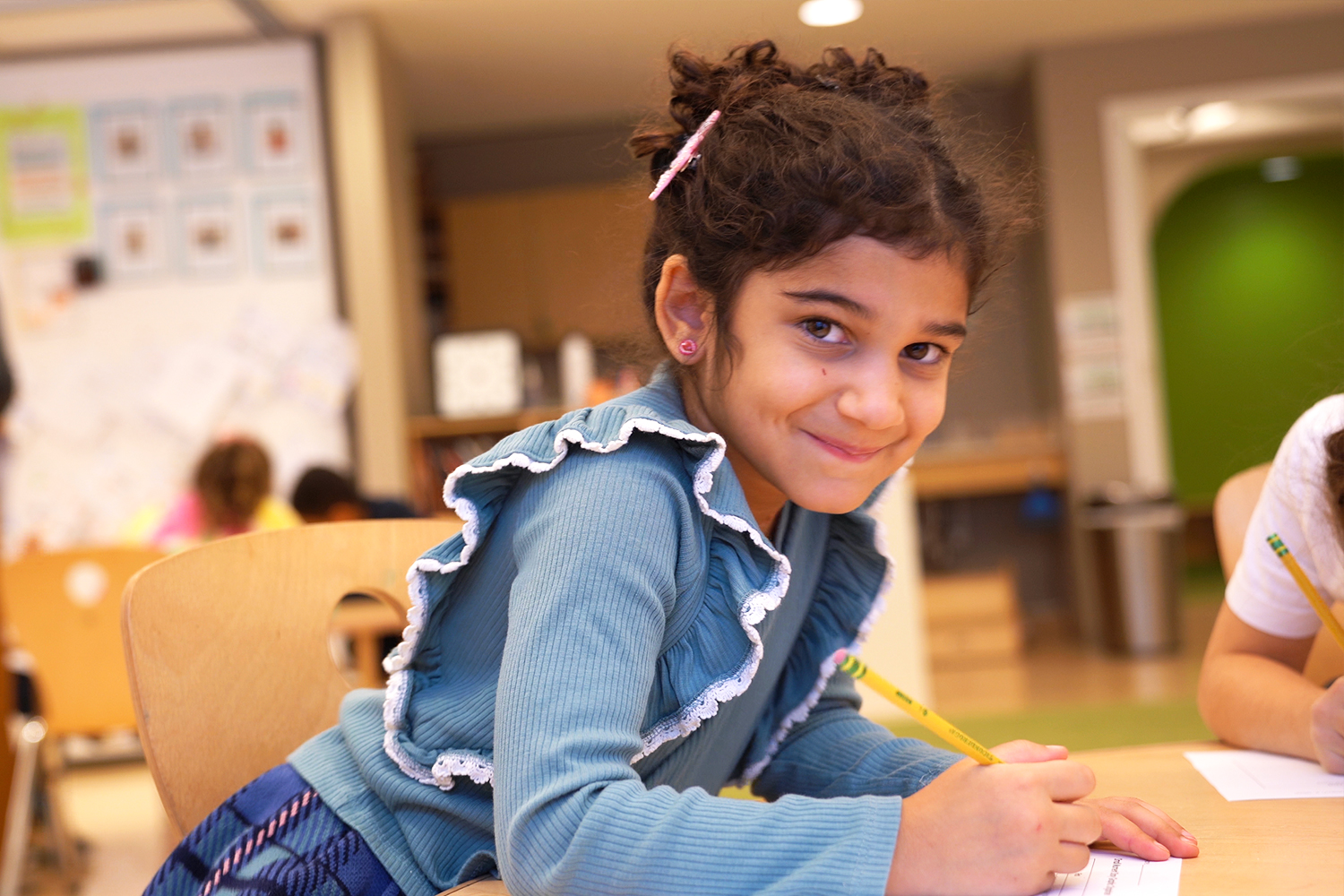
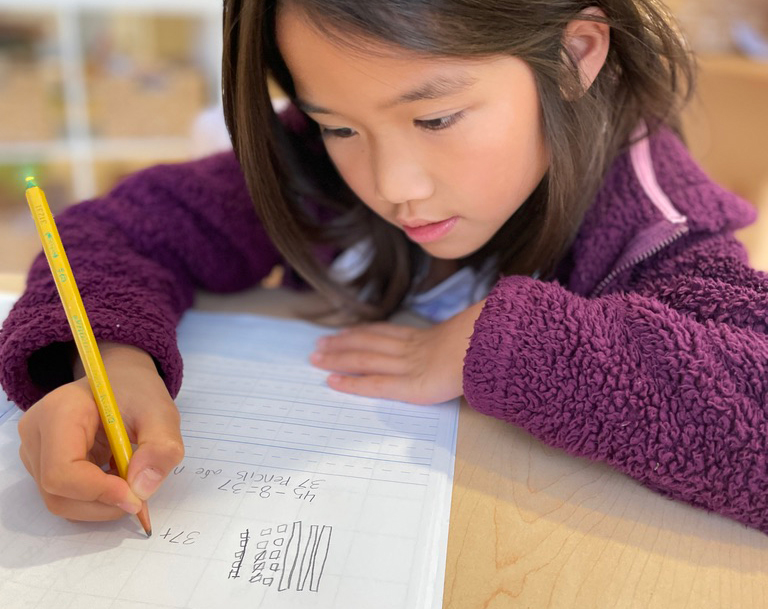
The elementary years deepen children’s confidence and identity as thinkers and learners. Through the International Baccalaureate Primary Years Programme (PYP), students ask thoughtful questions, investigate ideas, make connections, explain their reasoning, and reflect on how they learn. Small classes allow teachers to know students well while giving each child increasing responsibility for their work.
Across Kindergarten through Grade 5, students strengthen core academic skills while becoming more independent in how they research, problem-solve, collaborate, communicate, and apply their learning. As they grow, the work becomes more complex and students take greater ownership of their ideas, goals, and progress.
Language Immersion Program
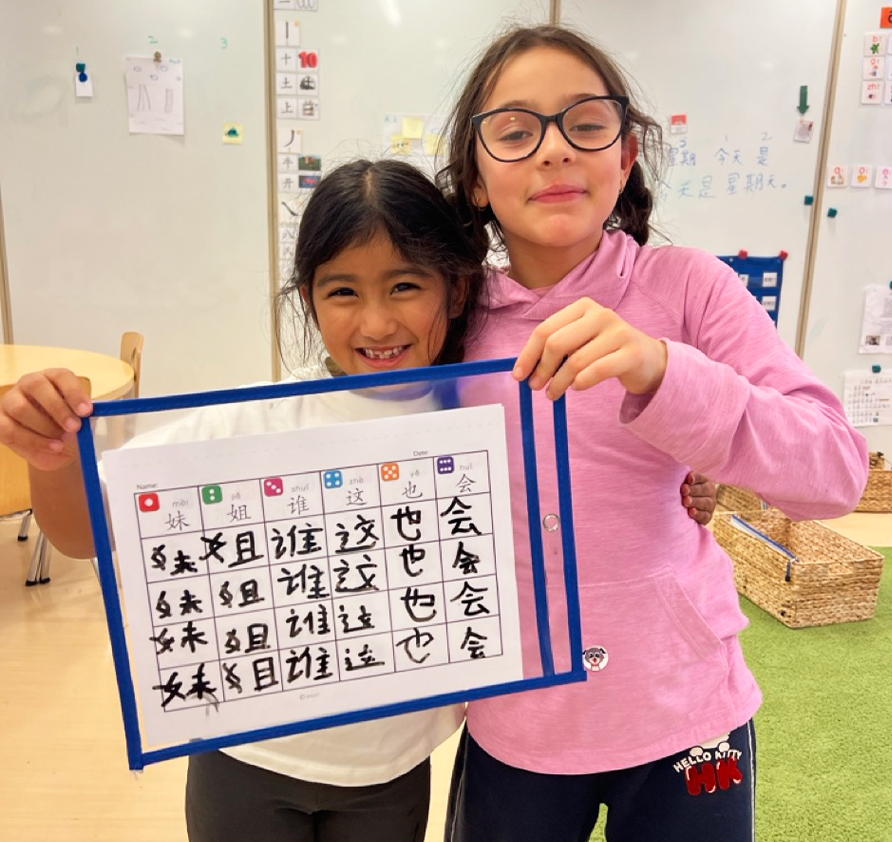
Students learn in either the Spanish-English or Mandarin-English pathway, with 90 minutes of daily target-language instruction, approximately one-third of the school day. They use the language for communication, inquiry, self-expression, and academic learning.
Aligned with ACTFL proficiency levels and PYP additional-language pathways, the program guides students from Novice toward Intermediate proficiency by the end of Grade 5, recognizing that language develops at different rates.
The IB Programme
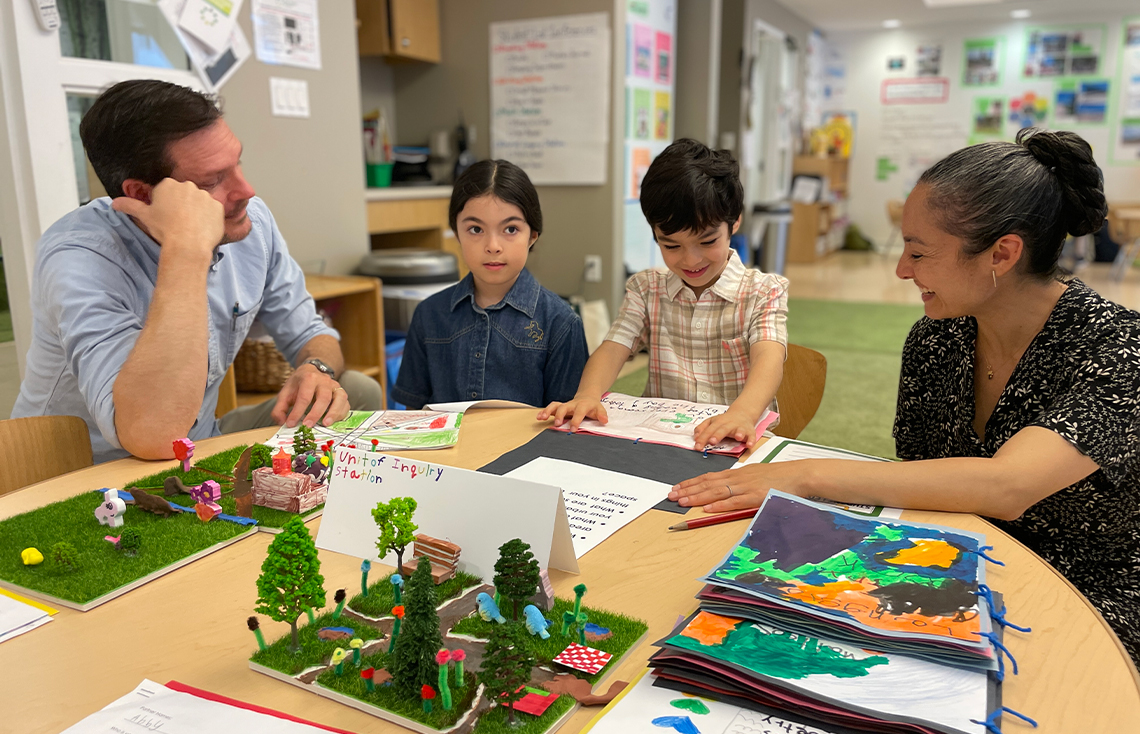
The International Baccalaureate Primary Years Program (PYP) connects subjects through transdisciplinary Units of Inquiry, helping students see relationships across areas of learning rather than experiencing each subject only in isolation.
Academic Areas
Target Language: Mandarin or Spanish
English
Mathematics
Science
Social Studies
Visual Arts
Music
Drama
Physical Education
For example, in a Grade 3 inquiry about how communities use and share resources, students might examine environmental impact in science, explore trade and resources in social studies, collect and graph data in mathematics, and present their findings in Spanish or Mandarin.
Through the PYP’s Approaches to Learning, students develop thinking, research, communication, social, and self-management skills. They learn to pursue questions, evaluate information, collaborate, reflect, adapt, and take greater ownership of learning.
The elementary journey culminates in the Grade 5 PYP Exhibition, the final student-led inquiry of the PYP. Students identify an issue that matters to them, develop questions, conduct research, connect with mentors and experts, collect data, take informed action, and share their learning with the school community.
Beyond the Classroom
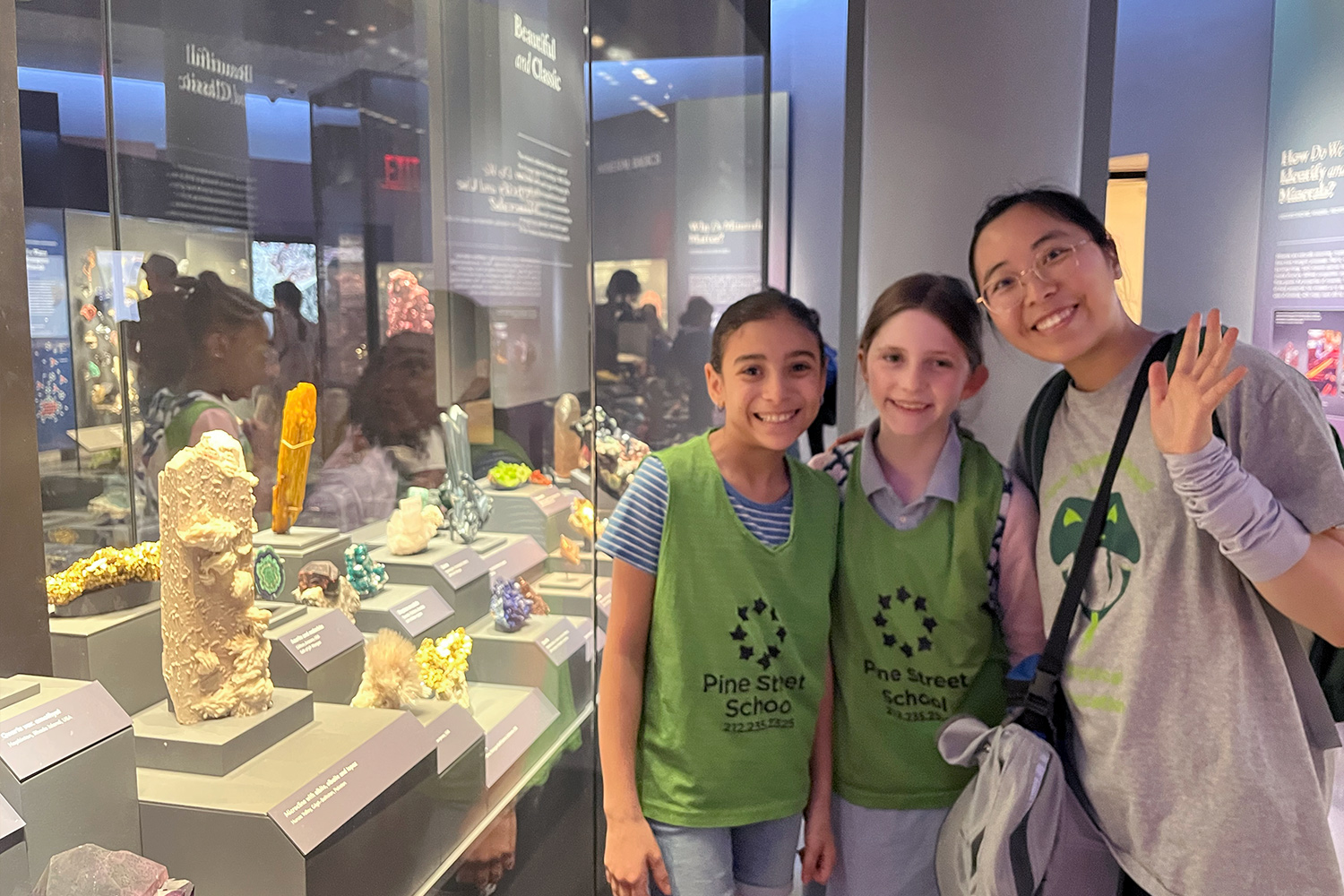
Our City as a School philosophy extends inquiry into New York City, connecting classroom learning with the people, places, and institutions around us. Hands-on projects give students meaningful opportunities to apply what they know. Our 1:1 device program supports research, creation, communication, and digital literacy across disciplines.
Assessment
Assessment helps teachers individualize instruction, set useful goals, and communicate clearly with families about each student’s strengths and next steps. IB Primary Years Programme practices provide the foundation, with teachers using observations, conferences, written work, projects, presentations, performance tasks, rubrics, reading records, and student reflection to build a complete picture of learning.
Internal reading and writing assessments help teachers respond to developing skills over time. Beginning in Kindergarten, MAP Growth provides an adaptive, untimed measure of progress in core academic areas and allows teachers to view growth in relation to national norms. Beginning in Grade 3, Avant STAMP measures proficiency in the student’s target language. In Grades 4 and 5, the ERB Comprehensive Testing Program adds a standardized, timed measure of academic achievement and reasoning. Teachers review these results alongside daily classroom evidence rather than treating any one score as a complete measure of a child.
Next Step: Middle School
Nursery 1s and 2s
A joyful Montessori beginning builds independence, curiosity, and confidence through trilingual immersion in English, Spanish, and Mandarin.
Explore Nursery 1s and 2s
Pre-K 3 and Pre-K 4
The IB PYP begins alongside dual-language immersion in English and either Spanish or Mandarin, building inquiry, communication, and independence.
Explore Pre-K 3 and Pre-K 4
Elementary School
The IB PYP combines inquiry, hands-on learning, and real-world connections, with one-third of each day in Spanish or Mandarin immersion.
Explore Elementary School
Middle School
The IB Middle Years Programme deepens inquiry and interdisciplinary learning, with one-third of each day in Spanish, Mandarin, or advanced German.
Explore Middle School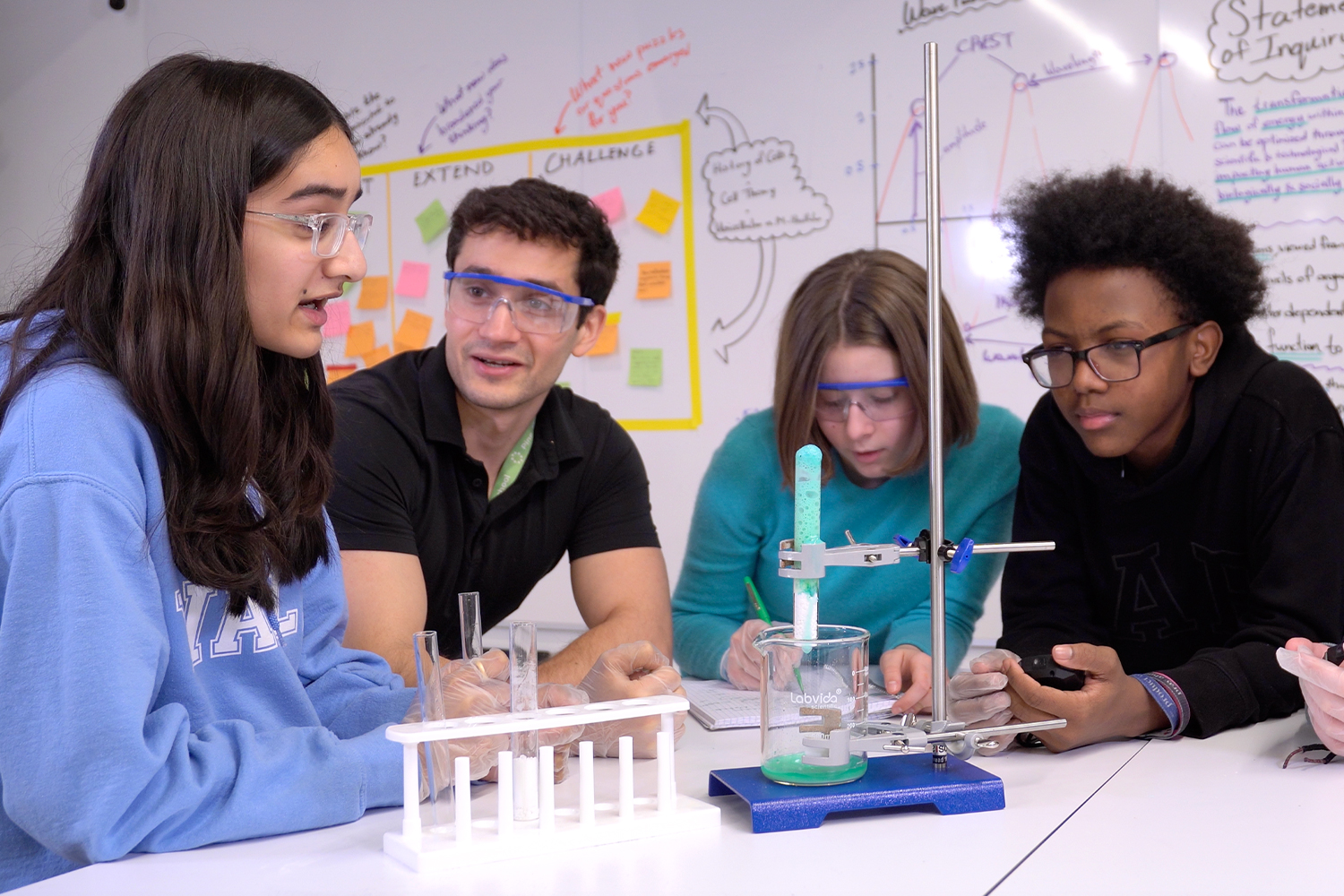
High School Placement
Personalized high school counseling begins in Grade 7 with tutoring, interview preparation, and strategic guidance for students and families. In spring 2026, all students in our inaugural Grade 8 class were admitted to their first-choice high school.
Explore High School Placement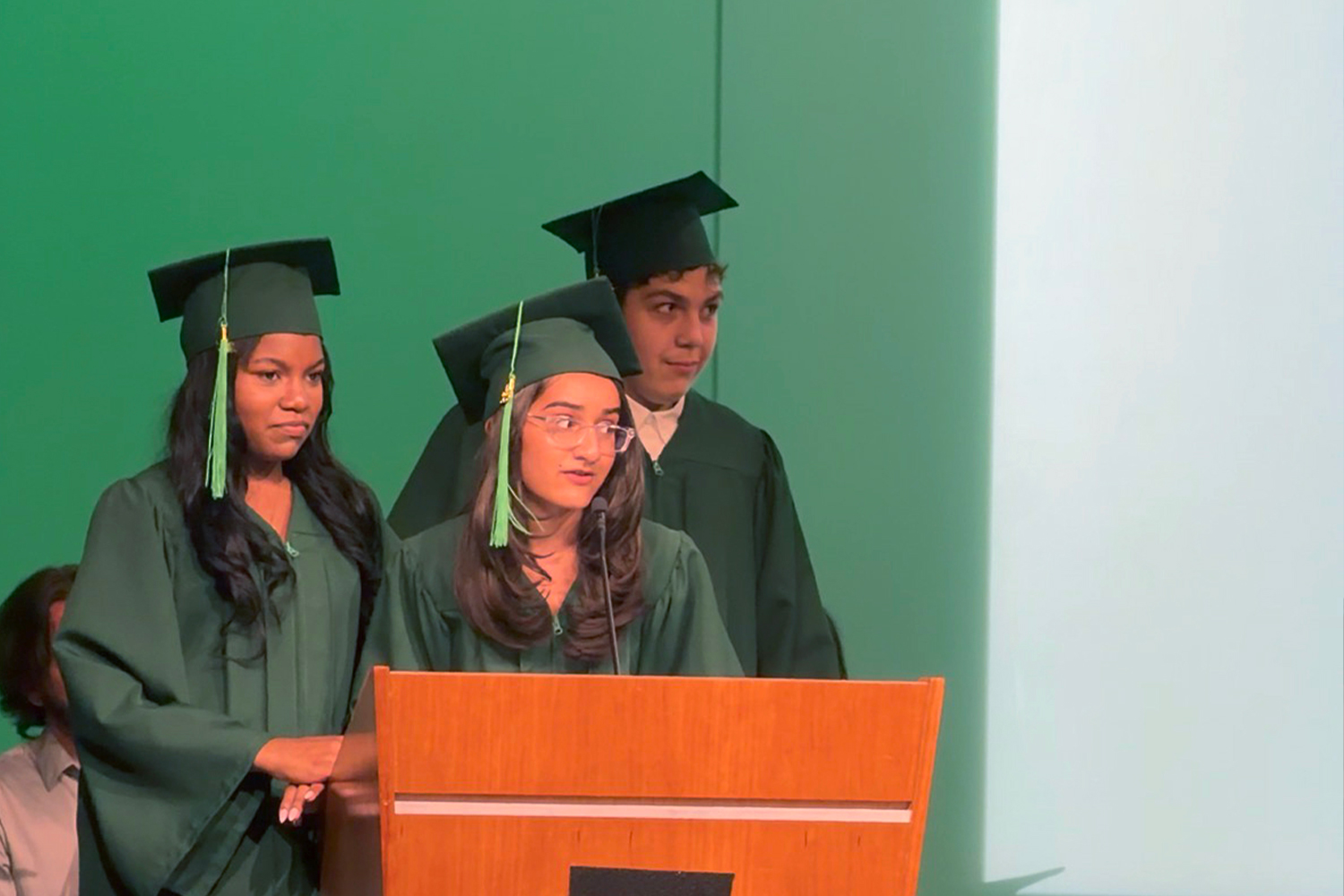
Elementary School includes Kindergarten through Grade 5.
Kindergarten through Grade 5 follows the IB Primary Years Programme, with strong foundations in literacy, mathematics, science, social studies, languages, visual art, music, drama, and Physical Education.
Students build literacy through reading, writing, discussion, vocabulary, and work across genres and subjects. Mathematics develops fluency, reasoning, and flexibility through direct instruction, investigation, and real-world problem-solving.
Students receive 90 minutes of daily instruction in their target language and use it for communication, inquiry, self-expression, and academic learning.
A typical day includes inquiry-driven learning, literacy, mathematics, science and social studies connections, daily target-language instruction, and specialist classes such as art, music, drama, and Physical Education.
MAP Growth begins in Kindergarten, Avant STAMP begins in Grade 3 to measure target-language proficiency, and the ERB Comprehensive Testing Program is added in Grades 4 and 5. Teachers review these results alongside classroom work and other evidence of learning.
The Grade 5 Exhibition is the final student-led inquiry of the Primary Years Programme. Students identify an issue that matters to them, develop questions, conduct research, connect with mentors and experts, collect data, take informed action, and share their learning with the community.
Students take increasing responsibility for research, organization, goal-setting, reflection, collaboration, communication, and the quality of their work. By Grade 5, they are prepared for more specialized subjects and greater independence in Middle School.