

Nursery 1s and 2s
A nurturing first school experience with trilingual immersion in English, Mandarin, and Spanish.
Introduction
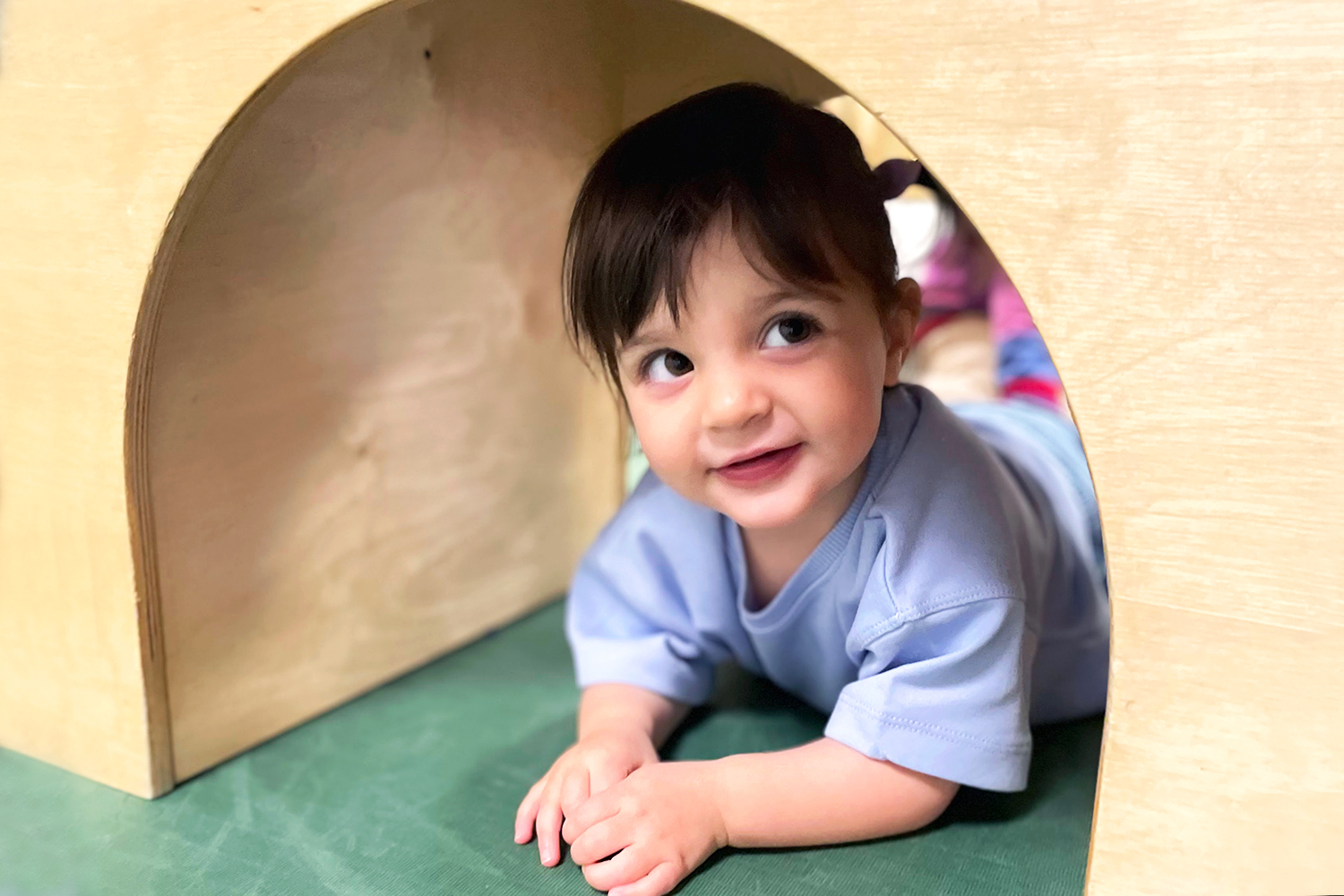
The first years of life are a time of remarkable growth. Our full-time Nursery program offers children beginning at 12 months a gentle introduction to school through Montessori learning and daily immersion in English, Spanish, and Mandarin.
Experienced, credentialed teachers create a calm, loving environment that feels like an extension of home. Children explore practical life, sensorial, language, and motor experiences at their own pace, building trust in themselves and the adults around them. At this age, work and play are closely connected, and both are central to development.
Nursery Ones: Designed for children beginning at 12 months, our N1 program is often a child’s first experience in a school setting. We understand how important these early years are. That’s why we create an environment that feels like an extension of home: secure, loving, and deeply attentive. In this warm and nurturing space, our youngest learners begin to build a strong sense of self, form trusting relationships with their teachers, explore with confidence, and become comfortable within the rhythms of school. Gentle guidance from educators who specialize in early childhood development helps each child settle in and grow at their own pace.
Nursery Twos: Our N2 program continues this two-year developmental cycle, meeting each child where they are rather than expecting every child to reach the same milestone at the same time. Children are supported as they grow in language and communication, motor confidence, independence, self-discipline, and their ability to participate in meaningful social interactions. Through everyday routines and classroom experiences, children practice expressing their needs and feelings, taking turns, building relationships, caring for themselves, and participating with others. Teachers model language, guide interactions, and provide opportunities for children to practice these emerging skills throughout the day.
Partnering With Families
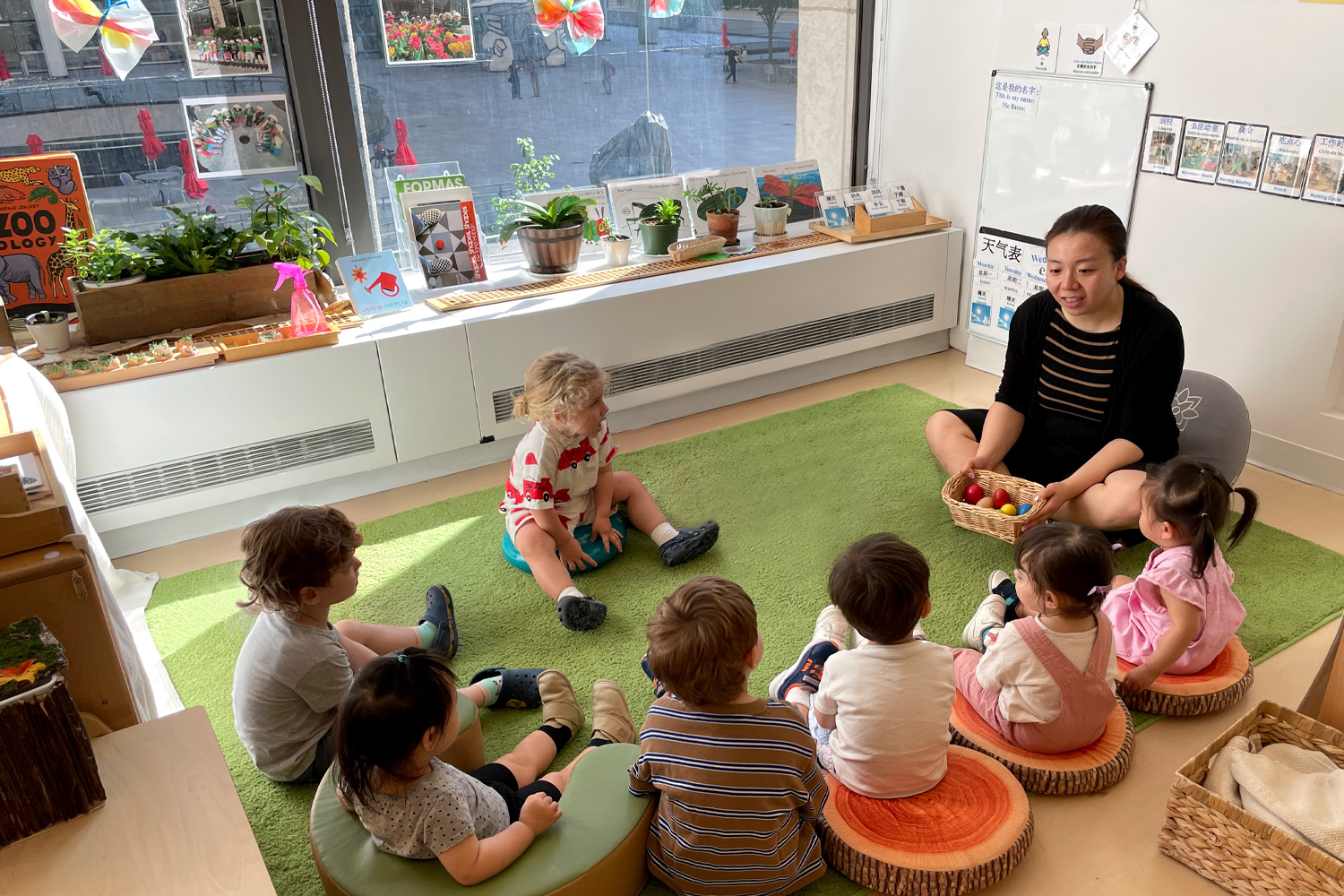
Families are a child’s first and most important teachers. We stay closely connected through daily drop-offs at the Welcome Center, classroom updates in Toddle, weekly photos and learning moments, family conferences, and curriculum events throughout the year.
Trilingual Immersion
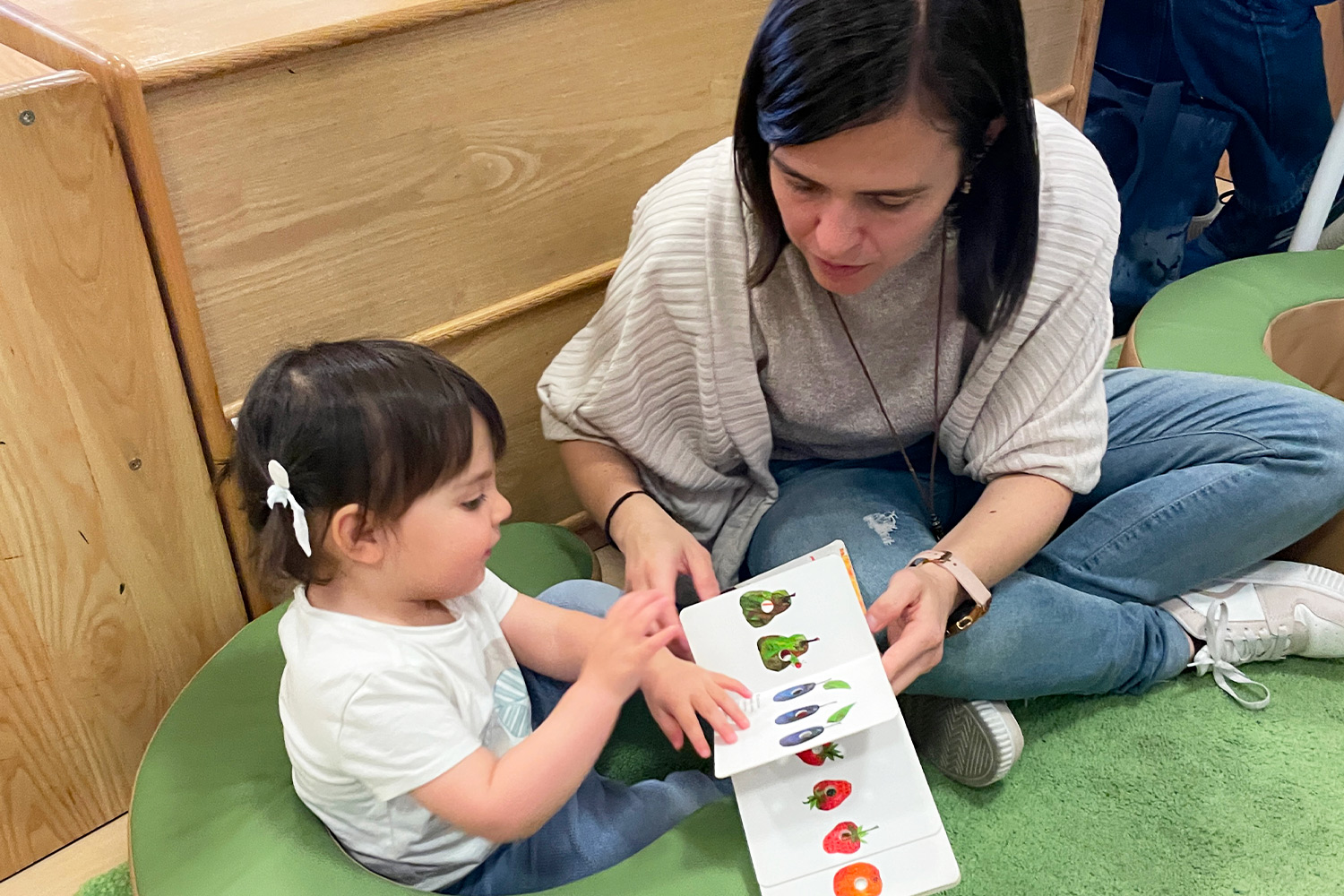
English, Spanish, and Mandarin are woven throughout the day by three teachers, each a native speaker who remains in that language throughout the day. This consistency helps children build natural associations between each teacher and each language through songs, stories, routines, conversation, and play. The focus at this age is familiarity, listening, and joyful participation, creating a strong foundation for later language learning.
.jpeg)
Our Montessori Approach
Montessori shapes both the classroom environment and the rhythm of the day. Children have access to carefully chosen, child-sized materials that support movement, concentration, coordination, language, and growing independence. They are given time to choose, repeat, practice, and master experiences at their own pace.
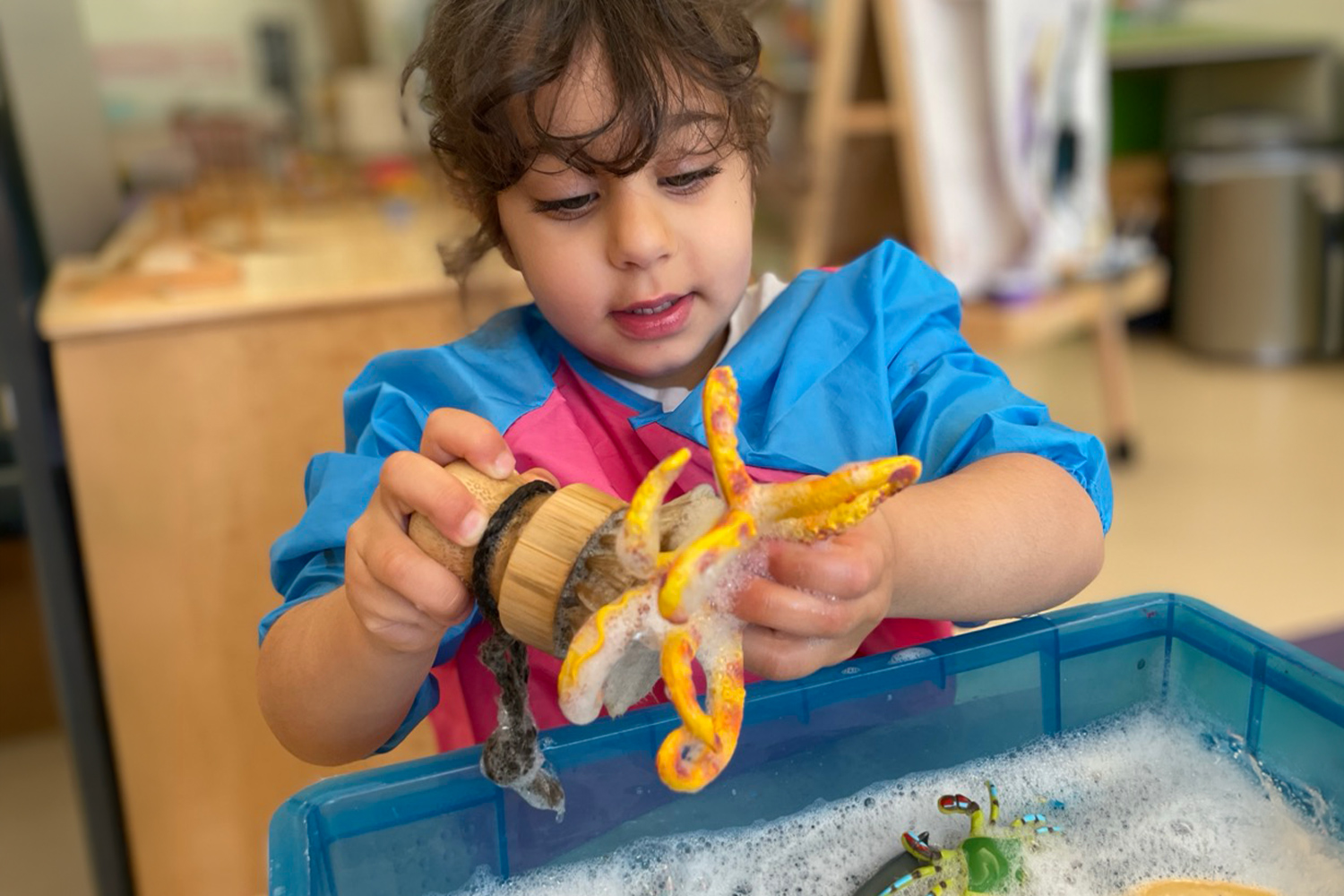
Practical Life is an important part of the program. Activities such as pouring, wiping, spooning, sweeping, washing, and caring for the classroom help children strengthen fine and gross motor skills while developing focus and confidence in what they can do for themselves.
Social-Emotional Learning
Social and emotional learning happens throughout the day as children begin to express their needs, recognize feelings, build relationships, take turns, and participate in a group. Teachers model language and behaviors that help children navigate these early social experiences with increasing confidence.
Grace and courtesy are part of this work. Children learn to care for themselves, one another, and their environment through everyday routines and interactions, building kindness, empathy, respect, responsibility, and a growing sense of community.
Sample Schedule
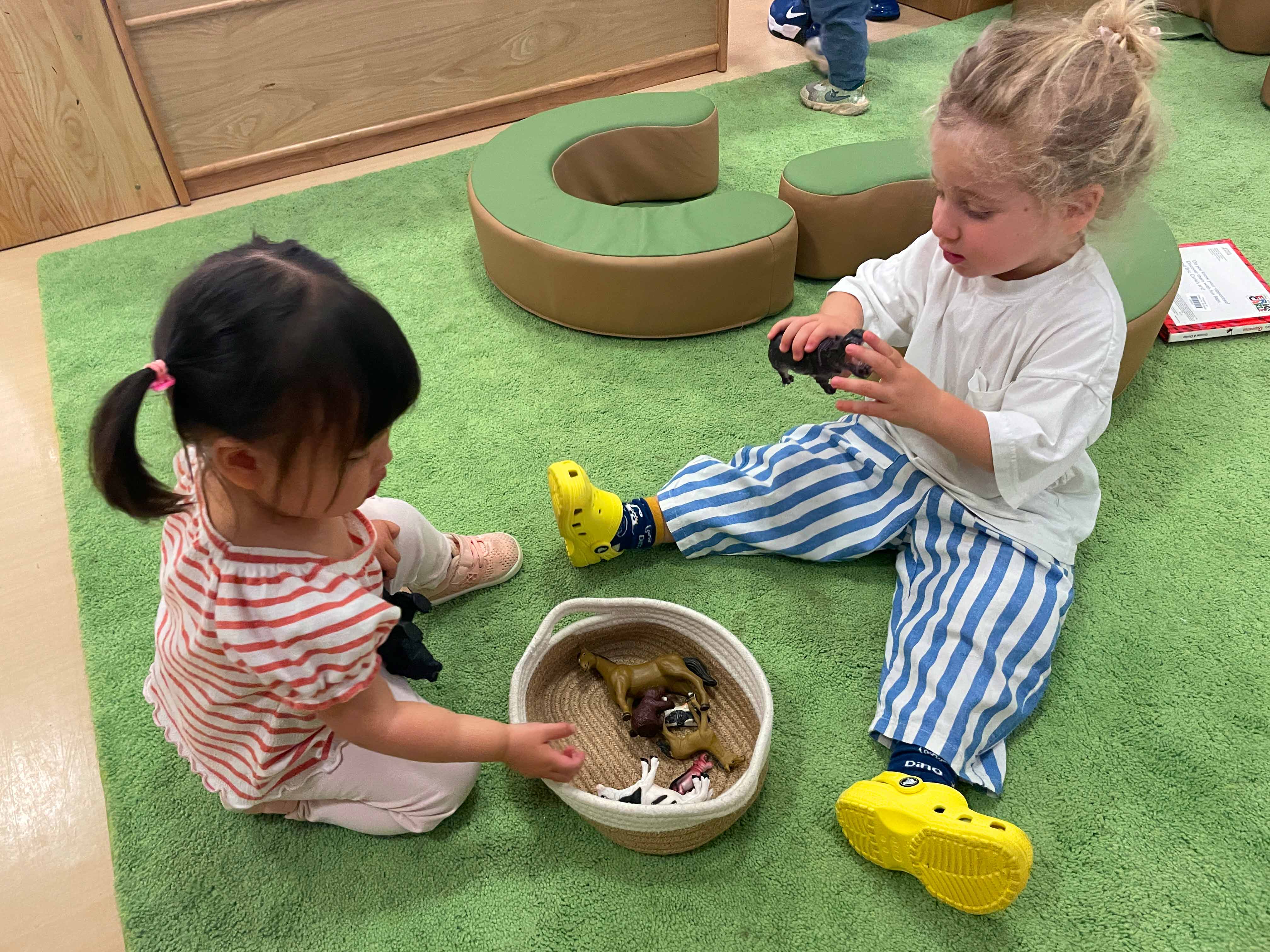
Young children feel secure when the day has a gentle, predictable rhythm. Each day includes warm arrivals, morning meeting, individual and small-group lessons, uninterrupted time for work and exploration, practical life activities, music and movement, meals, rest, and peaceful transitions.
Assessment
Assessment in Nursery helps teachers individualize each child’s experience and gives families a clear, ongoing picture of development. Through close observation, teachers document how children communicate, move, concentrate, solve problems, explore materials, and participate in routines. They use what they learn to adjust the environment and plan experiences for individual children, small groups, and the class. Families receive regular updates through Toddle throughout the year and participate in four parent-teacher conferences. Narrative updates are shared in October and April, with written reports provided in January and June.
Next Step: Preschool 3s and 4s
Nursery 1s and 2s
A joyful Montessori beginning builds independence, curiosity, and confidence through trilingual immersion in English, Spanish, and Mandarin.
Explore Nursery 1s and 2s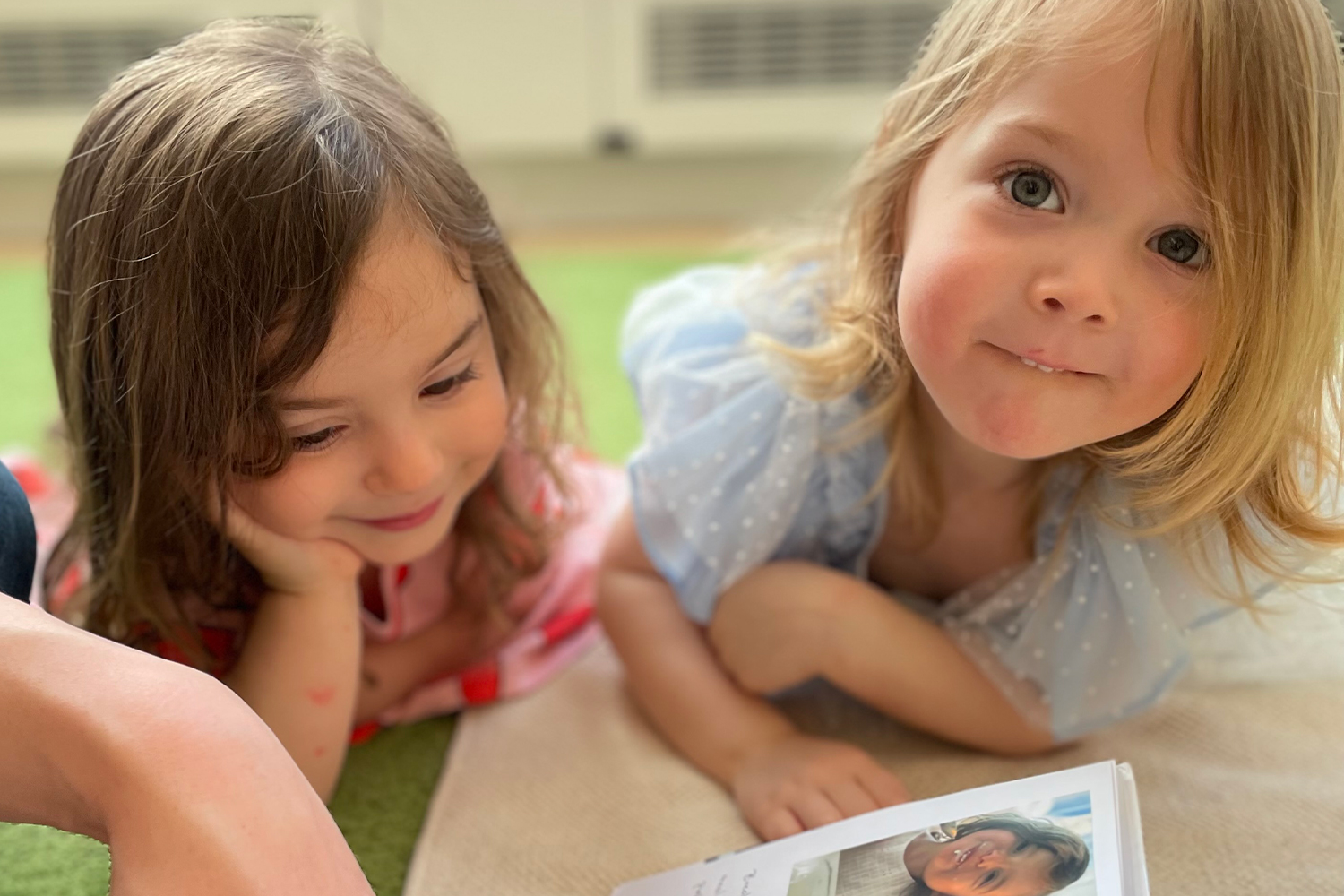
Pre-K 3 and Pre-K 4
The IB PYP begins alongside dual-language immersion in English and either Spanish or Mandarin, building inquiry, communication, and independence.
Pre-K 3 and Pre-K 4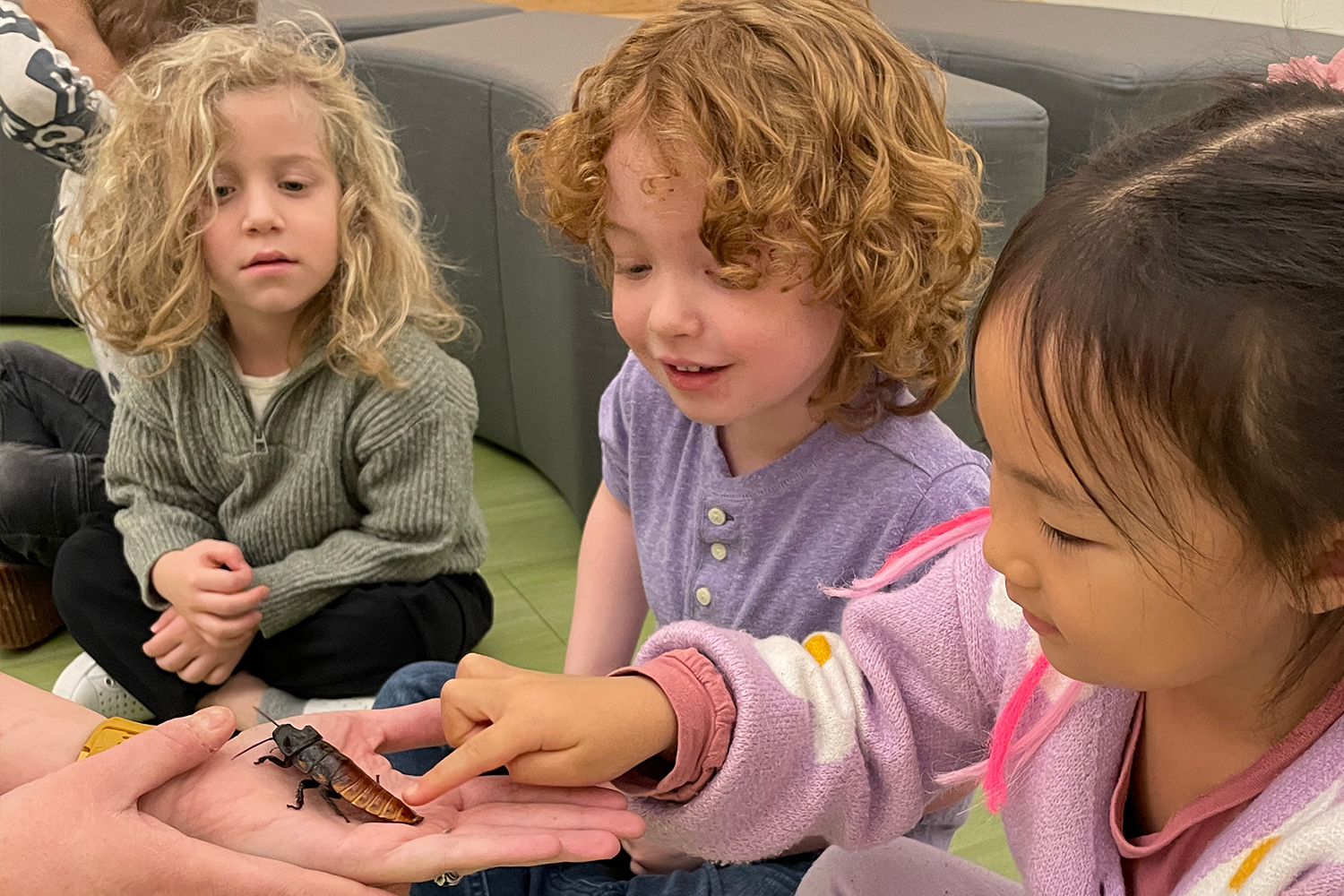
Elementary School
The IB PYP combines inquiry, hands-on learning, and real-world connections, with one-third of each day in Spanish or Mandarin immersion.
Explore Elementary School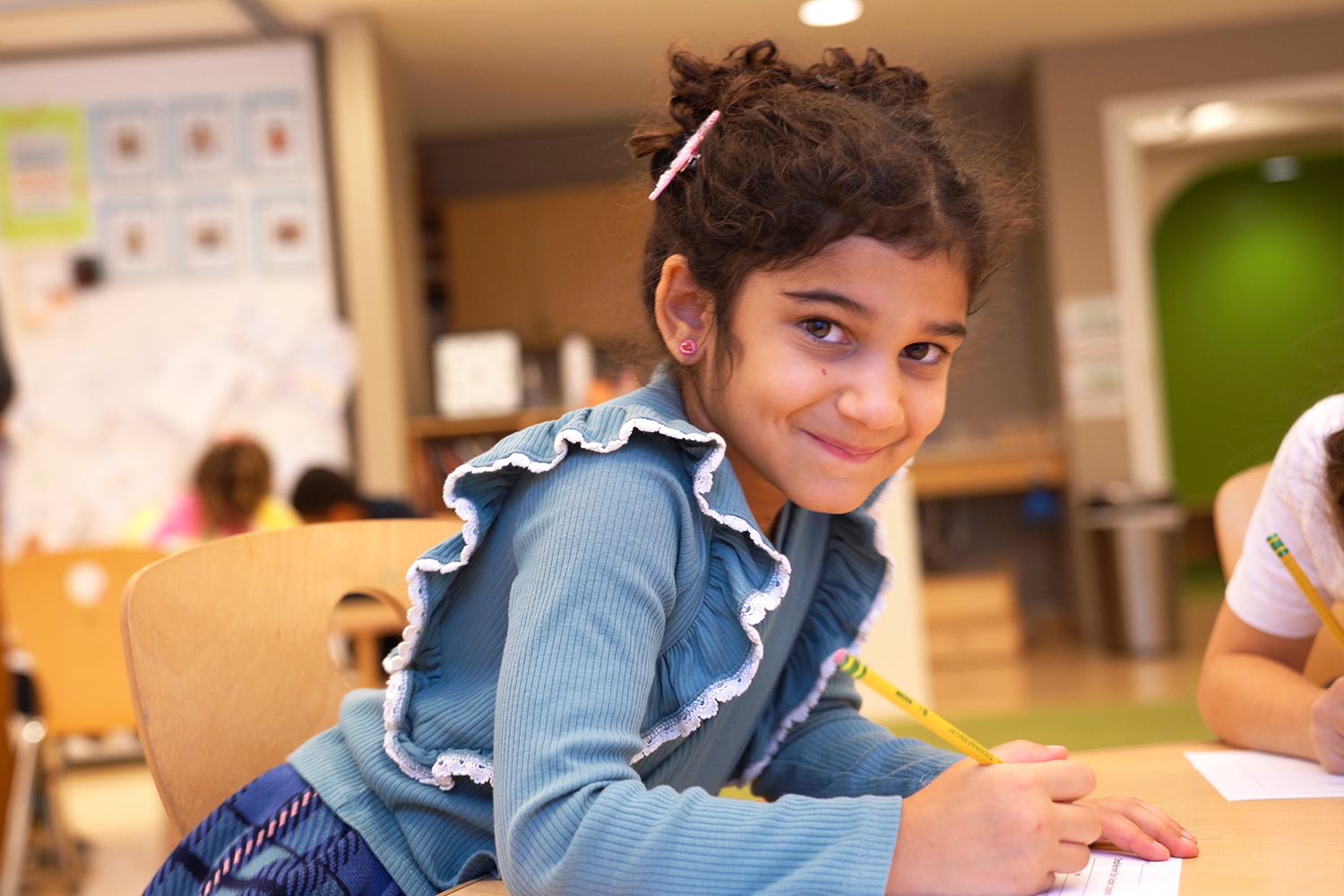
Middle School
The IB Middle Years Programme deepens inquiry and interdisciplinary learning, with one-third of each day in Spanish, Mandarin, or advanced German.
Explore Middle School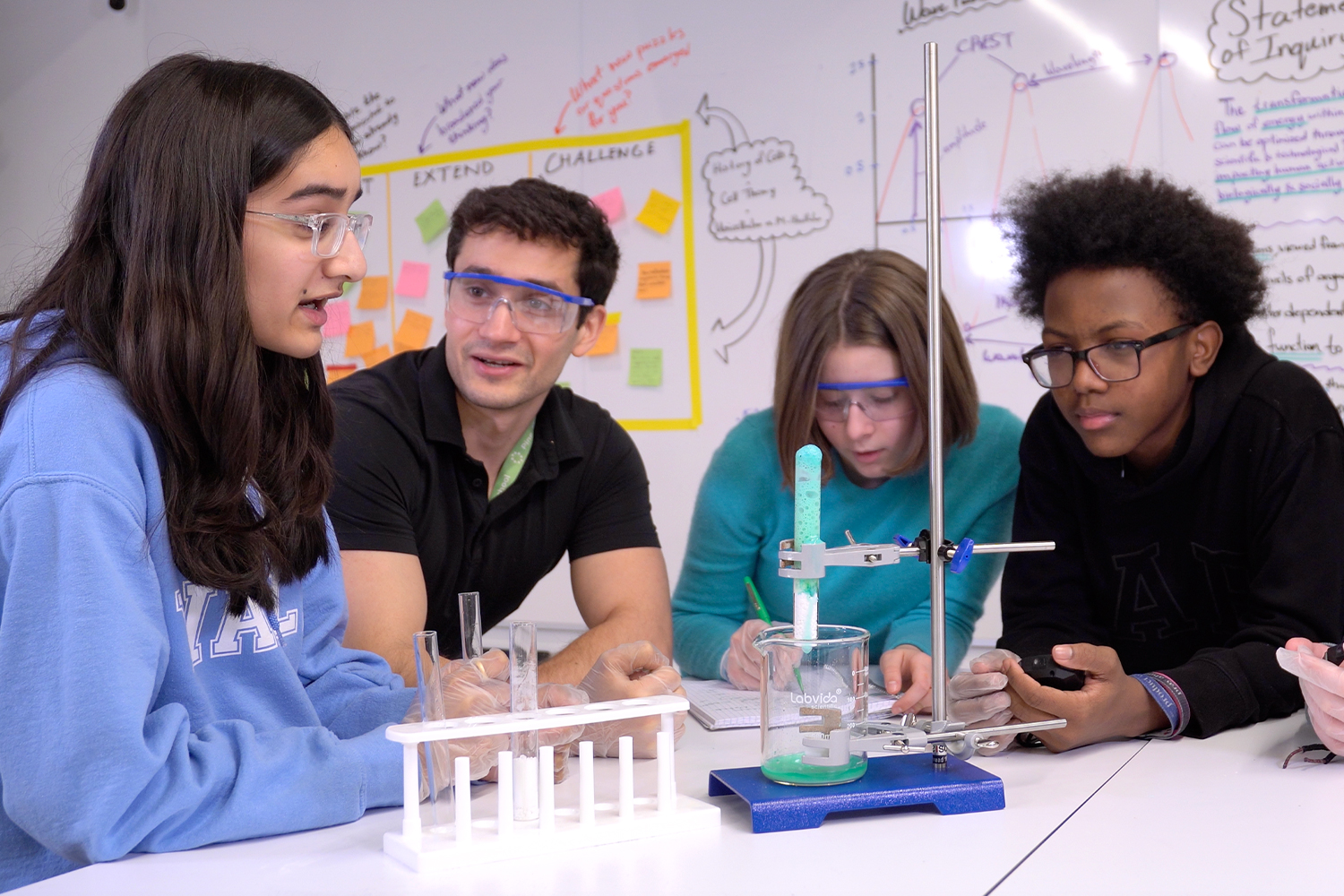
High School Placement
Personalized high school counseling begins in Grade 7 with tutoring, interview preparation, and strategic guidance for students and families. In spring 2026, all students in our inaugural Grade 8 class were admitted to their first-choice high school.
Explore High School Placement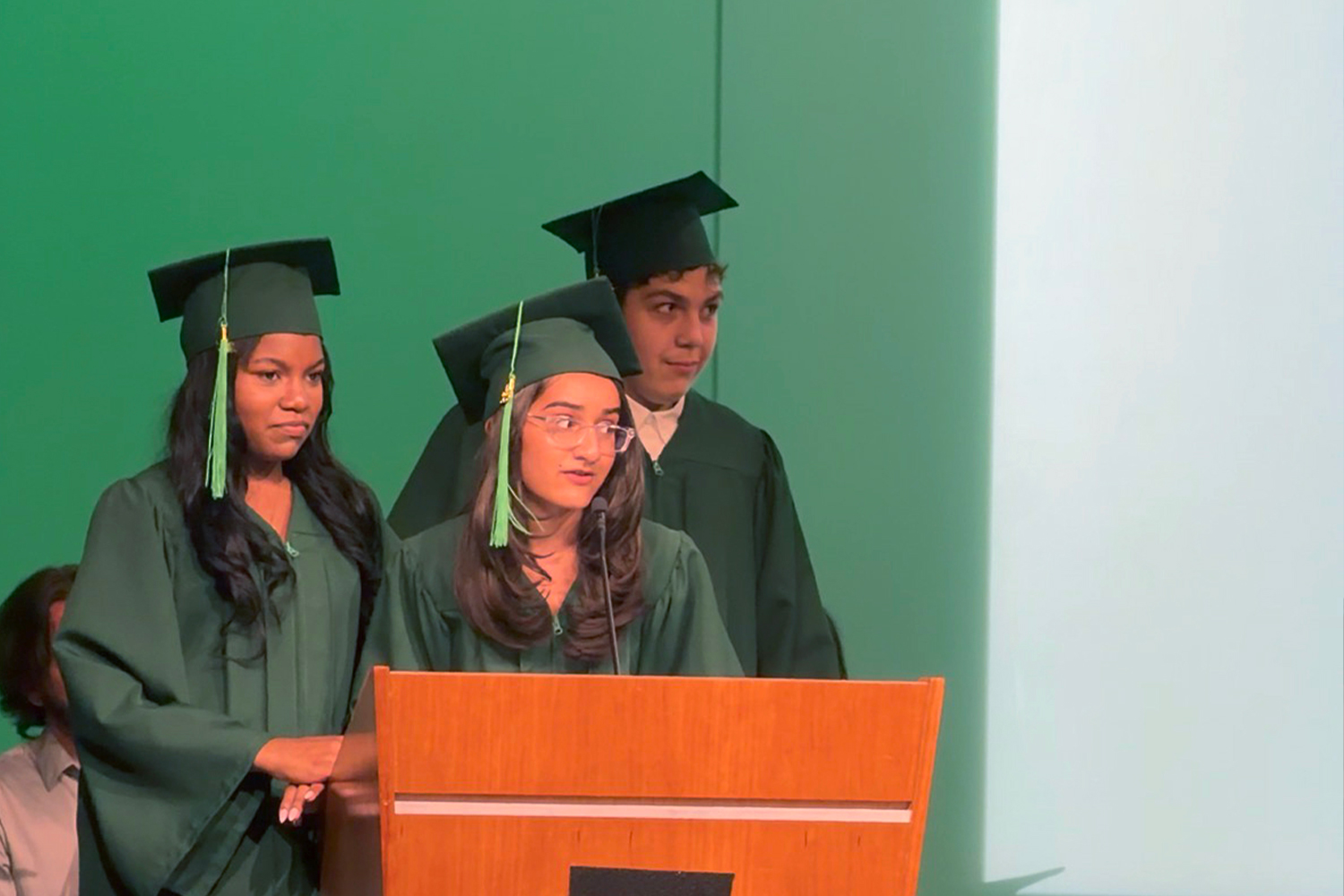
Pine Street School's Nursery program serves Ones and Twos in a Montessori-based, trilingual environment with English, Spanish, and Mandarin. Children build trust, communication, movement, independence, and confidence through relationships, routines, play, and purposeful activity.
Nursery Ones welcomes children beginning at 12 months and focuses on security, trust, movement, and early communication. Nursery Twos supports growing independence, sustained exploration, and a wider range of social and practical experiences.
No. English, Spanish, and Mandarin are introduced consistently and naturally, with each teacher speaking one language throughout the day. Children begin by listening, recognizing sounds and patterns, and forming associations through routines, songs, stories, play, and conversation.
Nursery serves the Ones and Twos age groups, beginning at approximately 12 months. Families should use the current Age Cutoffs page to confirm the exact date-of-birth range for their entry year.
Both ideas overlap at this age. Young children learn through movement, repetition, exploration, relationships, play, and purposeful Montessori activity, while teachers observe closely and introduce materials and experiences that support development.
The day follows a gentle, predictable rhythm that includes warm arrivals, morning meeting, individual and small-group experiences, uninterrupted work and exploration, Practical Life, music and movement, meals, rest, play, and peaceful transitions.
Families stay connected through drop-off conversations, Toddle updates, weekly photos and learning moments, parent-teacher conferences, written progress updates, and curriculum events throughout the year.
Yes. Pine Street School publishes both half-day and full-day Nursery options. The Nursery schedule includes a morning dismissal for half-day students, while full-day students continue through lunch, rest, afternoon experiences, and dismissal.
Assessment is developmental and observation-based rather than test-driven. Teachers document how children communicate, move, concentrate, solve problems, explore materials, participate in routines, and develop socially, then use those observations to plan next steps.