

Preschool 3s and 4s (Pre-K 3 and Pre-K 4)
Where IB meets Montessori in a bilingual environment.
Introduction
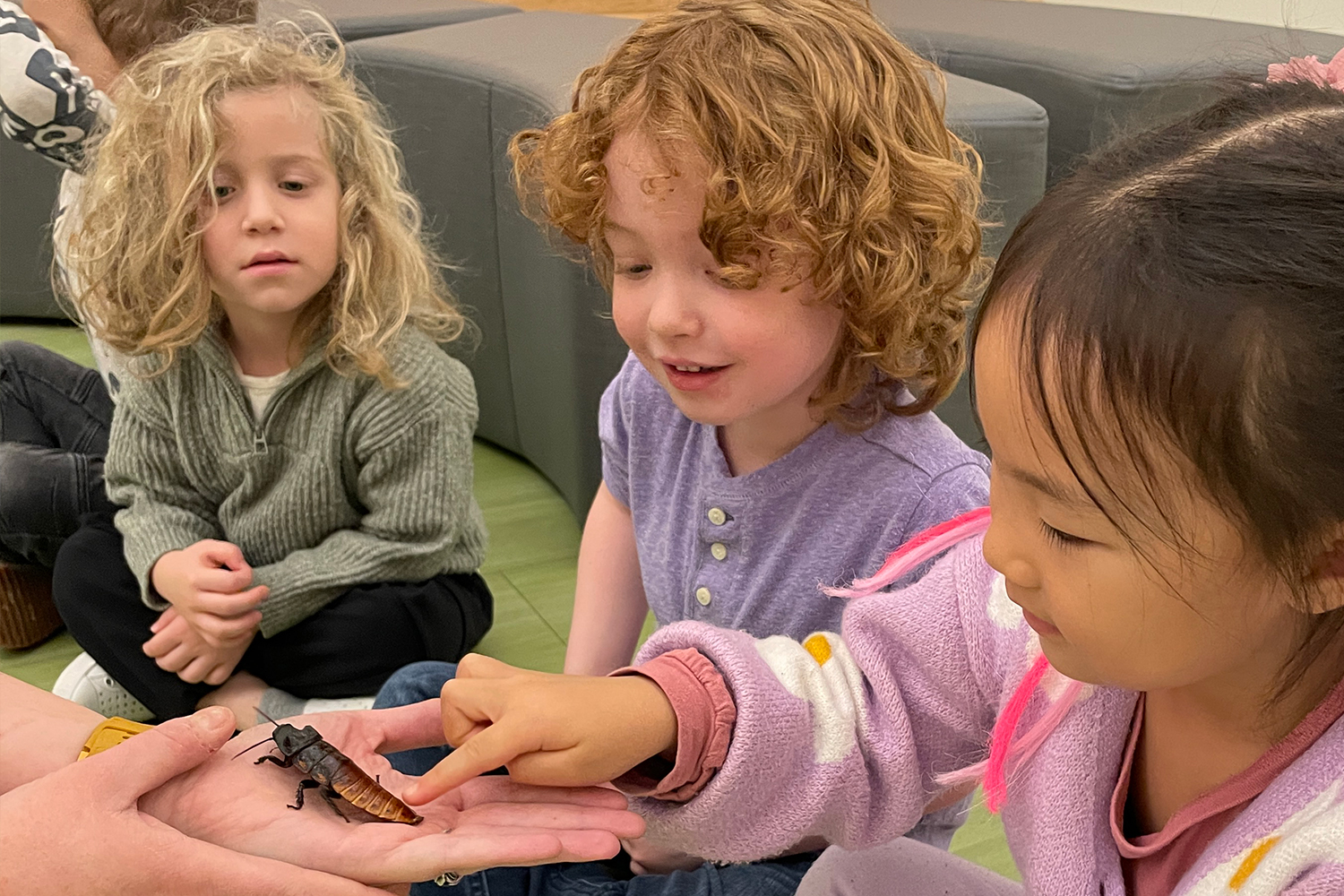
Preschool at Pine Street School welcomes three- and four-year-olds into a warm environment where play, inquiry, language, and relationships shape each day. Children build independence, confidence, and connections between learning and the world around them.
Our program brings together the International Baccalaureate Primary Years Programme, Montessori-inspired learning, and daily bilingual immersion. Families choose a Mandarin-English or Spanish-English pathway, and children learn through both languages across routines, play, inquiry, mathematics, stories, the arts, and conversation.
Pre-K 3 (Preschool 3): Pre-K 3 marks the beginning of the International Baccalaureate Primary Years Programme (PYP) at Pine Street School. Families also choose either the Mandarin-English or Spanish-English language track. The PYP is introduced alongside Montessori-inspired learning, giving children time to explore, make choices, build independence, and develop concentration through hands-on experiences.
The Pre-K 3 Programme of Inquiry includes four units: the five senses, creative expression through the arts, life cycles, and sound. Children investigate these ideas through play, observation, storytelling, conversation, and hands-on experiences
Pre-K 4 (Junior Kindergarten): Four-year-olds deepen their independence, language, and inquiry skills, whether continuing at Pine Street School or joining for the first time. They take greater responsibility, collaborate more intentionally, and become increasingly confident expressing their ideas.
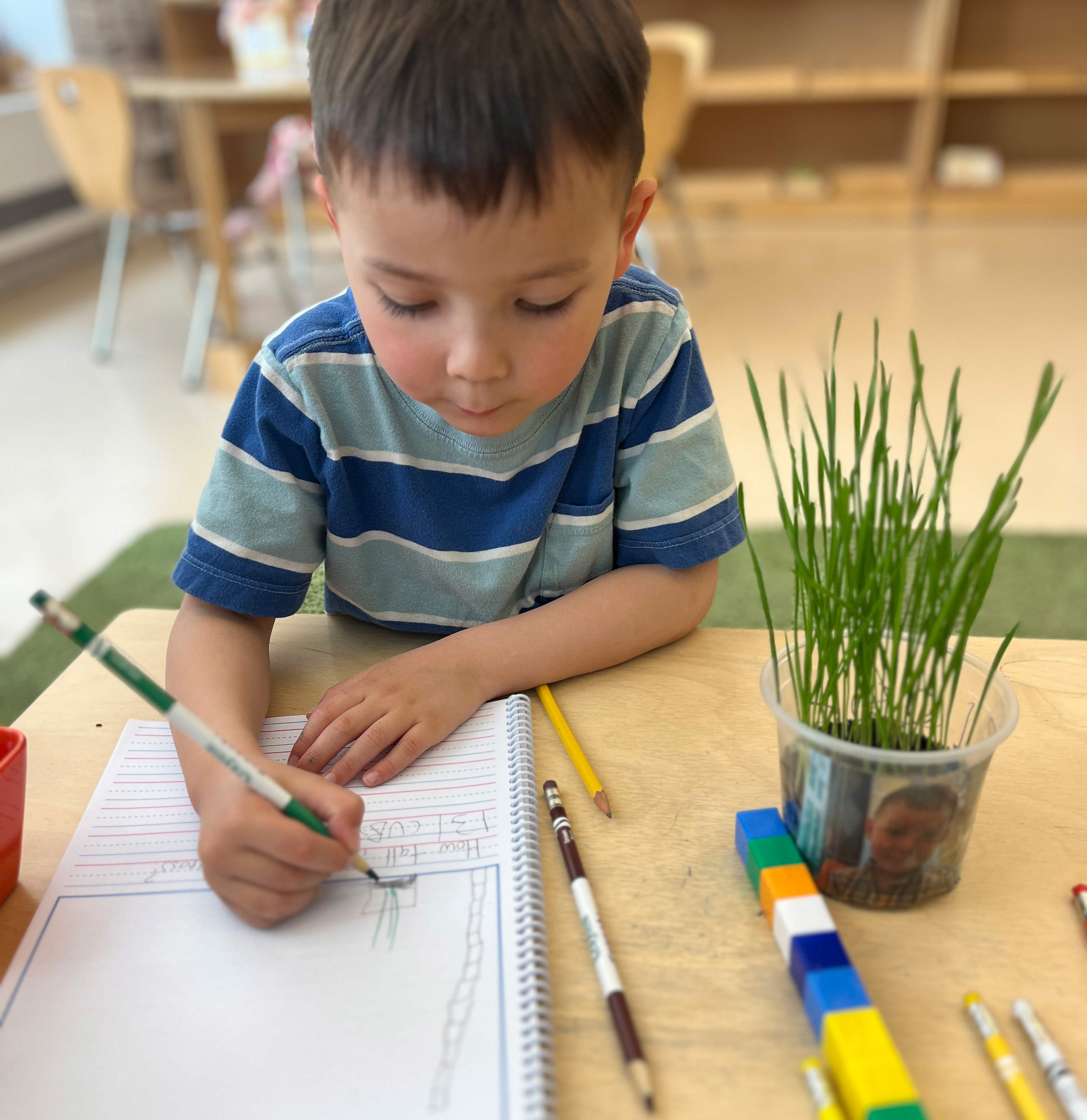
The Pre-K 4 (Junior Kindergarten) Programme of Inquiry includes five units: homes and habitats, how people organize their environments, how plants grow and support life, how stories express identity, and how forces help us solve problems. Children strengthen early literacy and mathematical thinking while using both English and their target language to ask questions, explain their thinking, and share discoveries.
Our Bilingual Program
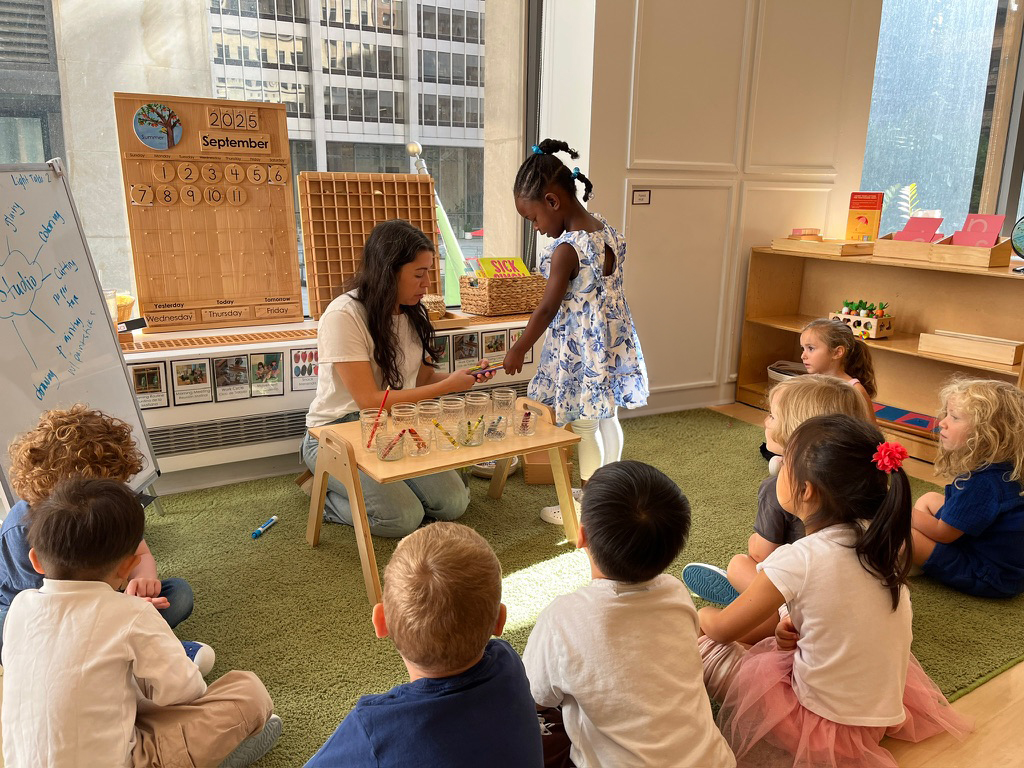
Each Preschool classroom follows either a Mandarin-English or Spanish-English pathway, with one native English-speaking teacher and one native Mandarin- or Spanish-speaking teacher. Each teacher remains in their own language throughout the day, giving children consistent immersion in both English and their target language.
Language is woven into routines, play, songs, stories, inquiry, and conversation. Children begin by listening and experimenting with words and sounds, then gradually use both languages to express ideas, feelings, questions, and discoveries. Bilingual learning extends across mathematics, science, social studies, and the arts.
Where IB Meets Montessori
Beginning in Pre-K 3, the International Baccalaureate Primary Years Programme (PYP) and Montessori-inspired learning work together. The PYP gives children a framework for asking questions, investigating big ideas, and making connections across subjects, while Montessori provides a thoughtfully prepared environment for purposeful choice, hands-on work, concentration, and independence.
Through engaging, transdisciplinary units, children connect language, mathematics, science, social studies, and the arts while building communication, thinking, collaboration, research, and self-management skills. Montessori-inspired experiences give them time to practice, repeat, explore, and take increasing ownership of their learning.
Social-Emotional Learning
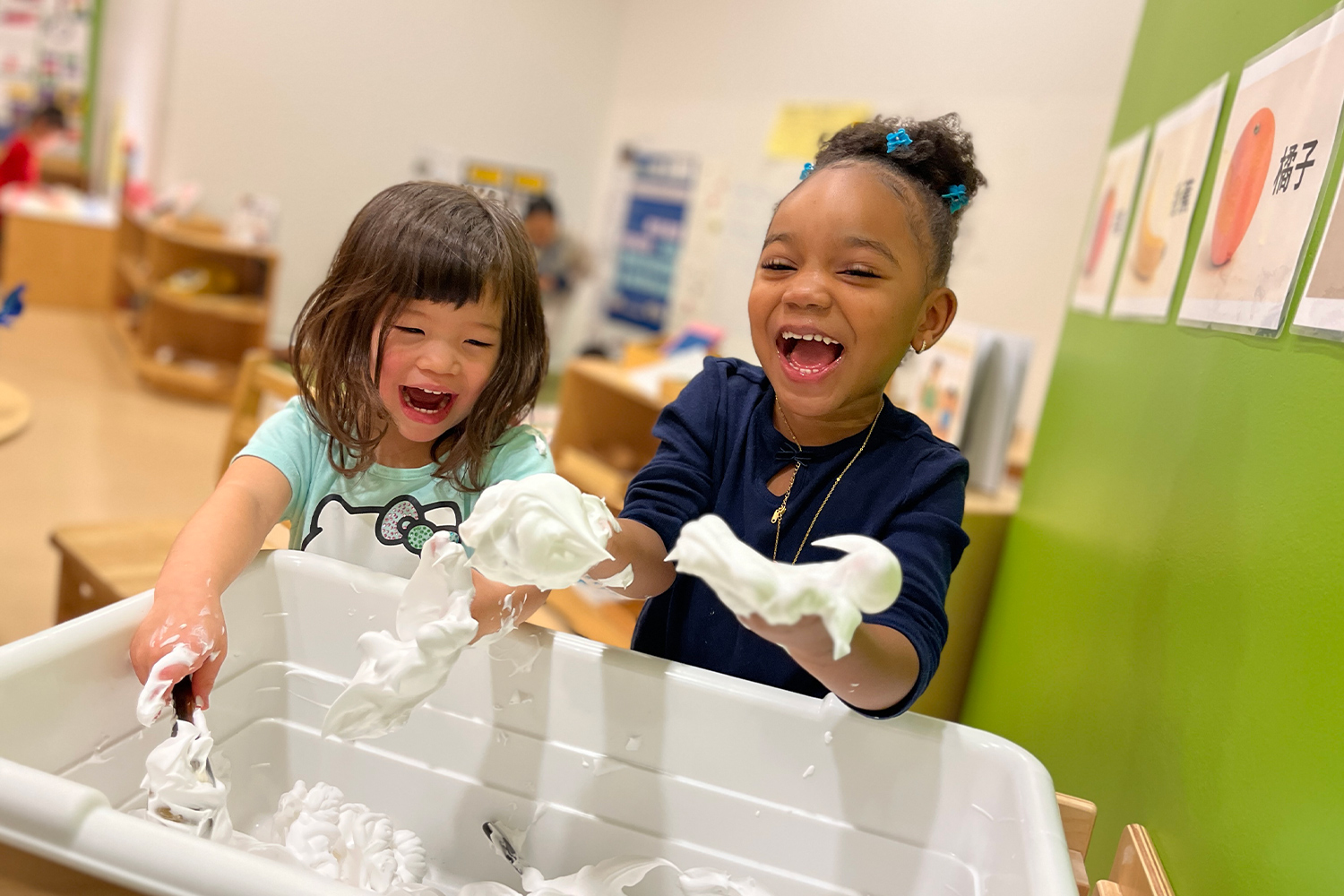
At three and four, children are developing a stronger sense of themselves while learning what it means to be part of a group. They learn to name and manage feelings, build friendships, take turns, cooperate, express their needs, and become more independent in caring for themselves and their environment.
Teachers create predictable routines and opportunities for children to work, play, and solve problems together. Social and self-management skills are also part of the PYP’s Approaches to Learning, supporting positive relationships, collaboration, and growing self-awareness.
Sample Schedule
Each day balances active learning, social interaction, and quiet reflection. Children move through free play and the daily work cycle, circle time, inquiry-based learning, outdoor exploration, rest, and creative expression. Family-style lunch gives children time to talk, practice independence, and build community.
Assessment
Assessment in Preschool helps teachers understand each child’s strengths, interests, and next steps. Teachers document development through observations, conversations, student work, and classroom experiences, using what they learn to individualize support.
Children also begin reflecting on their learning and responding to feedback with teacher support. Assessment remains classroom-based and developmental, with no standardized testing at this stage.
Next Step: Elementary School
Nursery 1s and 2s
A joyful Montessori beginning builds independence, curiosity, and confidence through trilingual immersion in English, Spanish, and Mandarin.
Explore Nursery 1s and 2s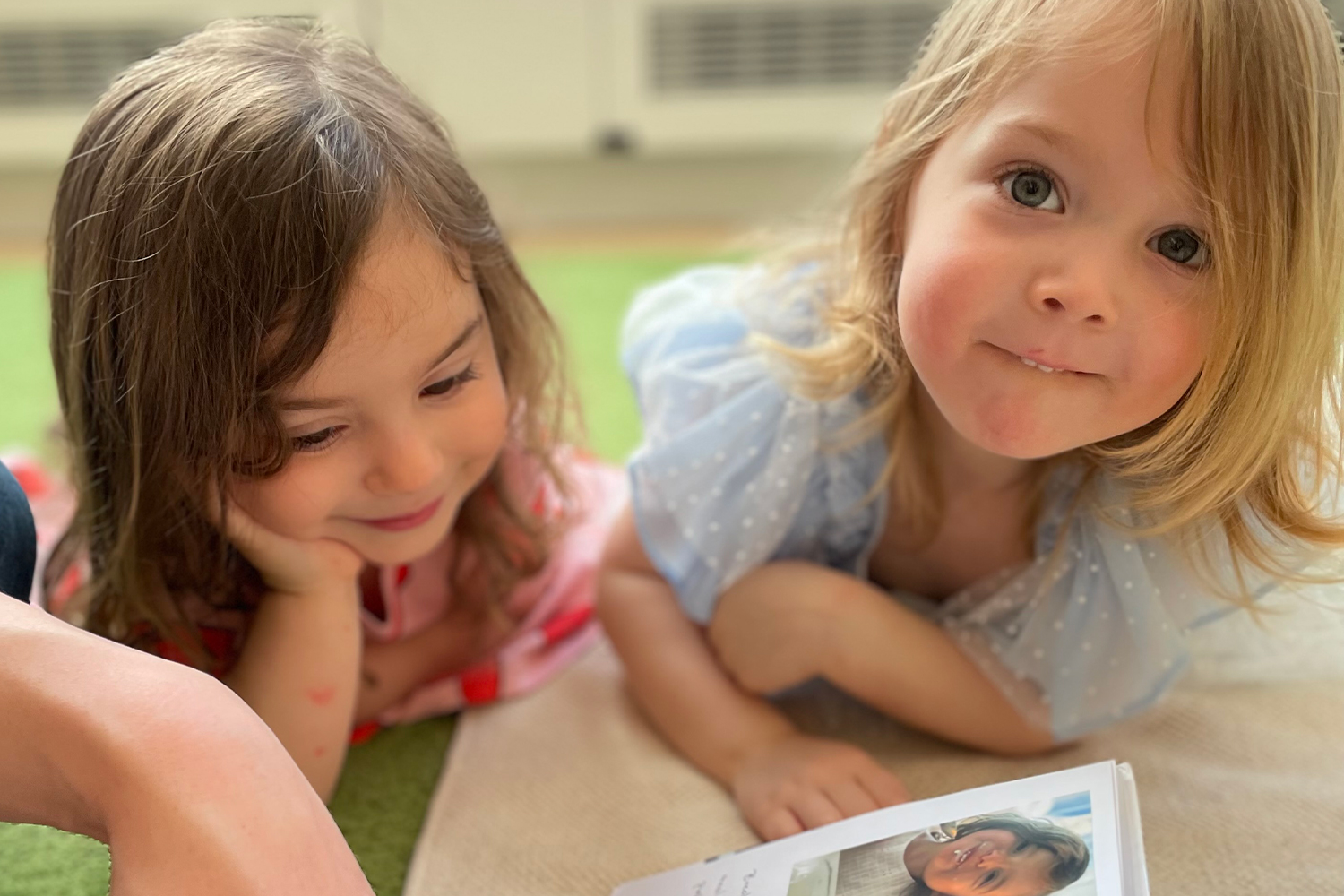
Pre-K 3 and Pre-K 4
The IB PYP begins alongside dual-language immersion in English and either Spanish or Mandarin, building inquiry, communication, and independence.
Explore Pre-K 3 and Pre-K 4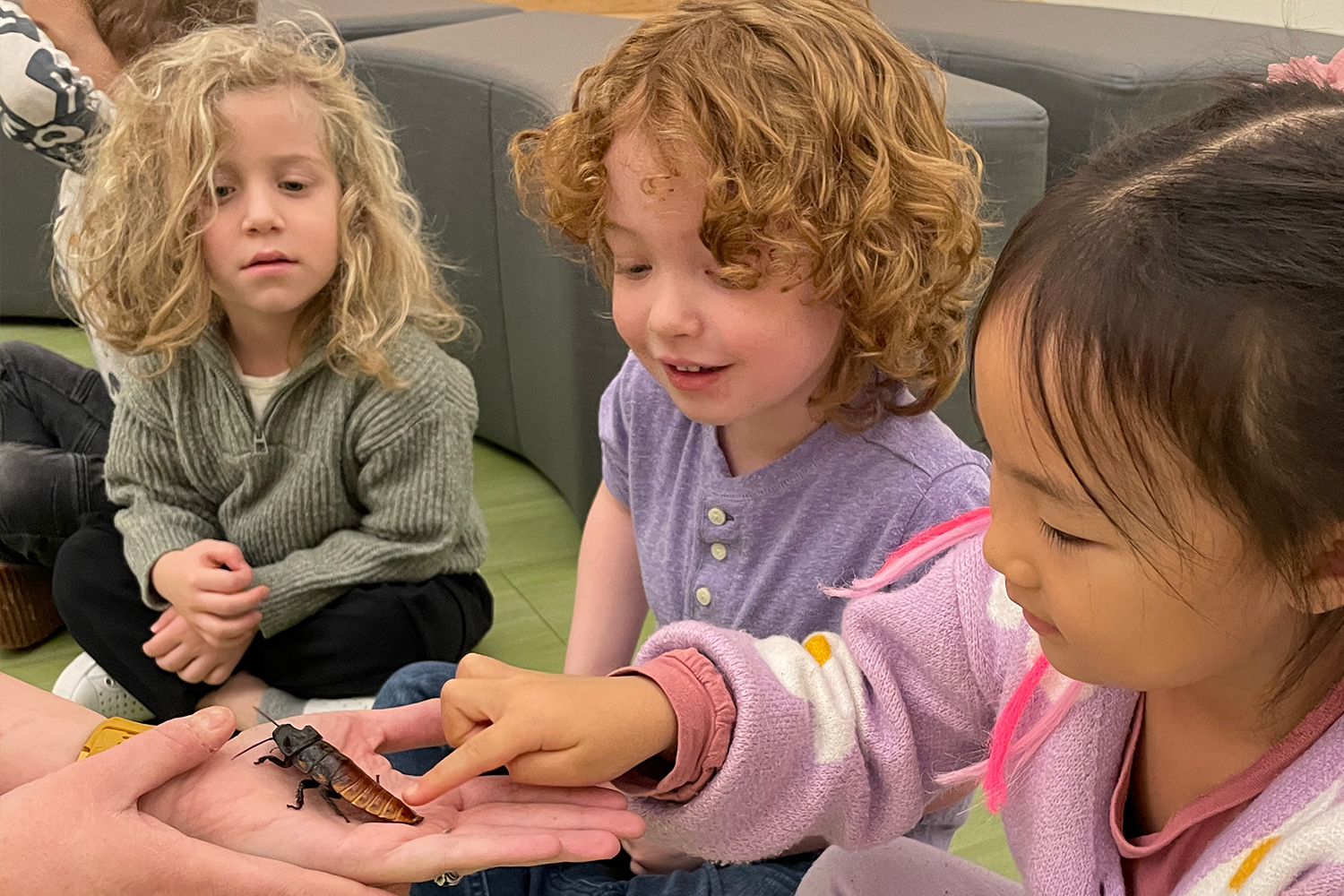
Elementary School
The IB PYP combines inquiry, hands-on learning, and real-world connections, with one-third of each day in Spanish or Mandarin immersion.
Explore Elementary School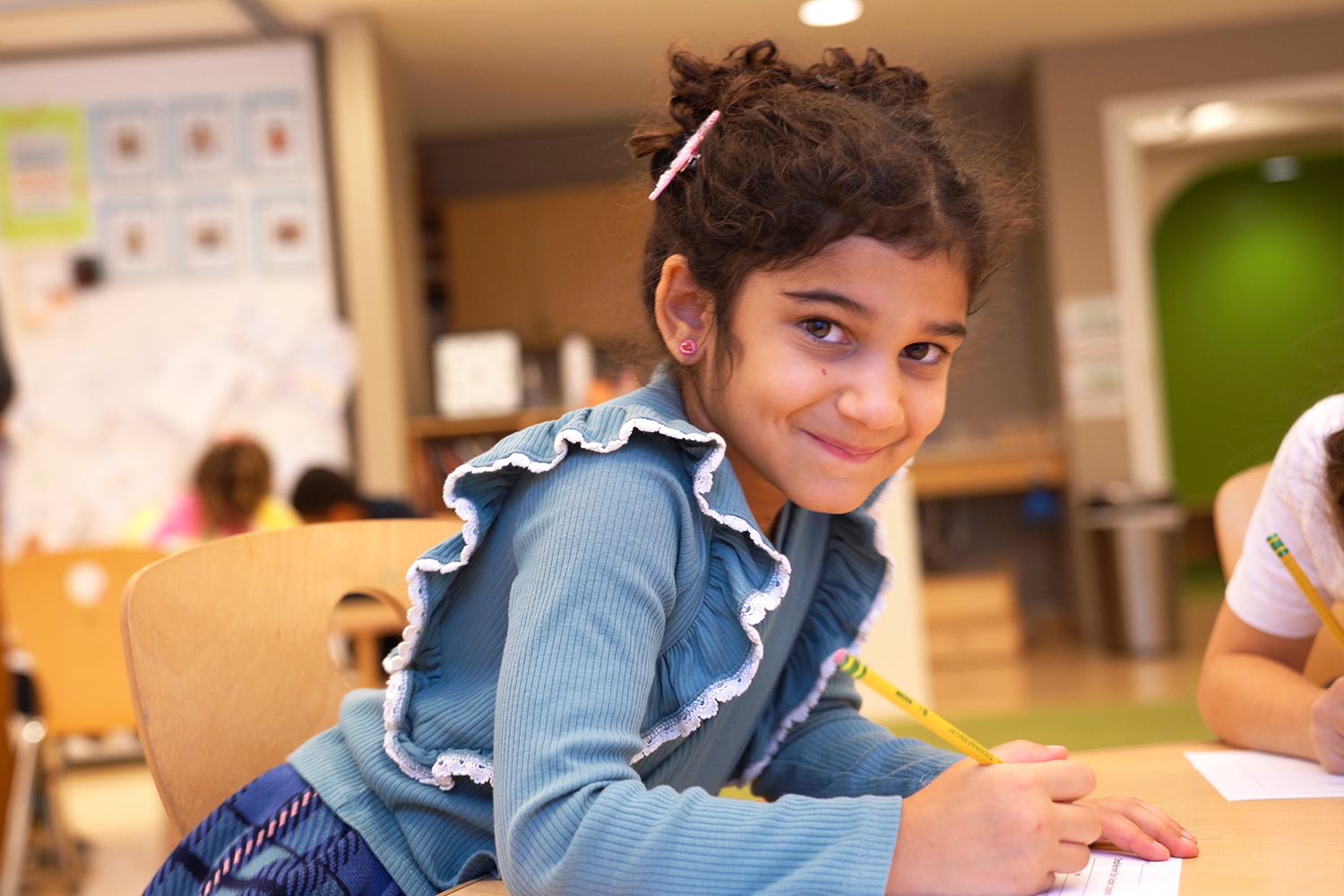
Middle School
The IB Middle Years Programme deepens inquiry and interdisciplinary learning, with one-third of each day in Spanish, Mandarin, or advanced German.
Explore Middle School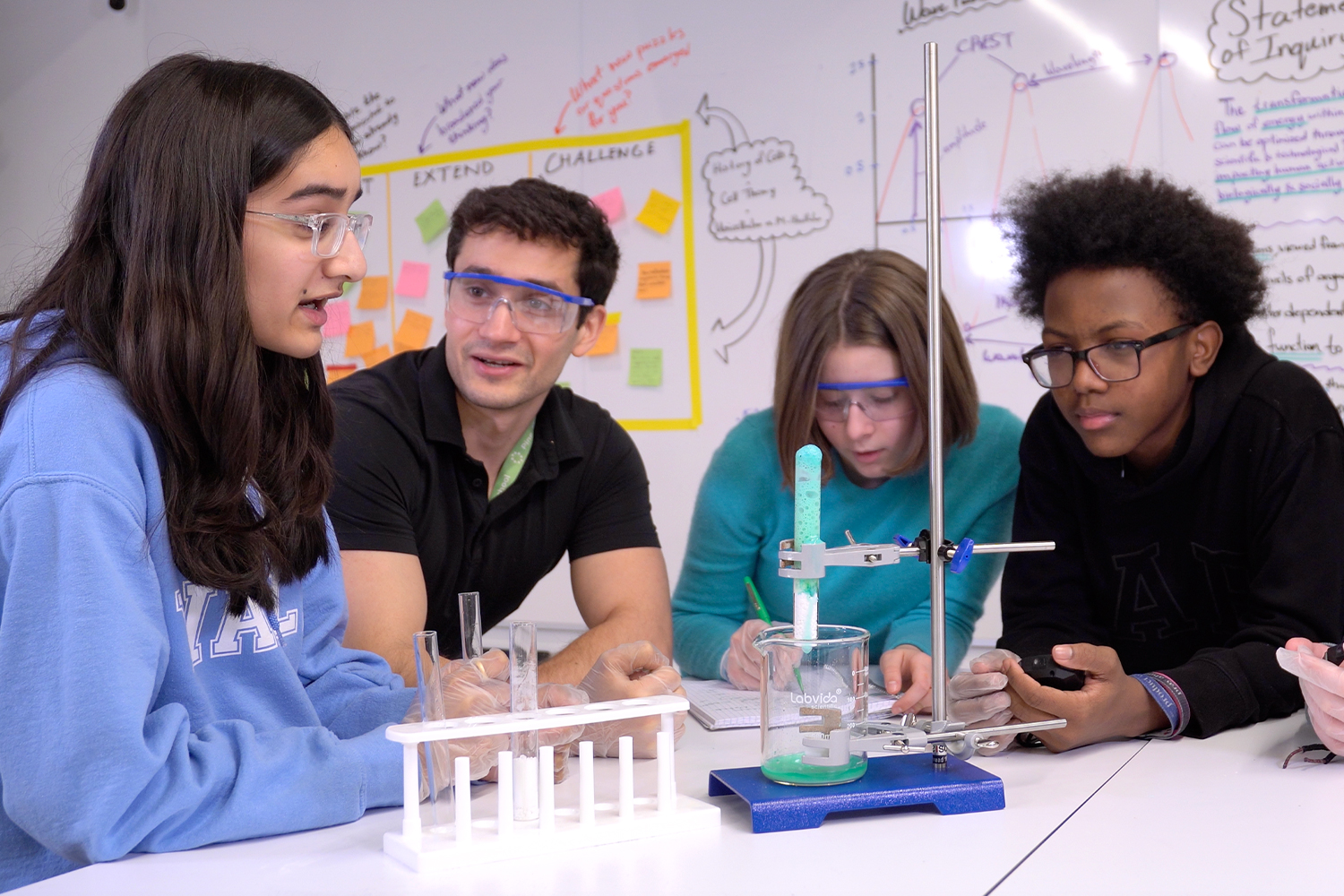
High School Placement
Personalized high school counseling begins in Grade 7 with tutoring, interview preparation, and strategic guidance for students and families. In spring 2026, all students in our inaugural Grade 8 class were admitted to their first-choice high school.
Explore High School Placement
Preschool combines the IB Primary Years Programme, Montessori-inspired learning, and daily bilingual immersion in either Spanish and English or Mandarin and English.
Preschool 3 introduces the IB Primary Years Programme alongside Montessori-inspired learning and a chosen bilingual pathway. Junior Kindergarten builds on those foundations with greater independence, collaboration, early literacy and mathematical thinking, and more confident expression of ideas.
The IB Primary Years Programme begins in Preschool 3 at Pine Street School.
Each classroom follows either a Spanish-English or Mandarin-English pathway. One teacher uses English and another uses the target language consistently, with both languages woven into routines, play, inquiry, mathematics, stories, the arts, and conversation.
The IB gives children a framework for asking questions, investigating ideas, and making connections across subjects. Montessori-inspired materials and work periods give them time to choose, repeat, explore, concentrate, and become more independent.
The day balances active learning, social interaction, and quiet reflection. Children move through arrival routines, morning meeting, a Montessori-inspired work cycle, inquiry, art or music, Physical Education, outdoor exploration, family-style lunch, rest, and closing activities.
Teachers help children name and manage feelings, build friendships, take turns, cooperate, express their needs, solve problems, and become more independent in caring for themselves and their environment.
Assessment is classroom-based and developmental. Teachers use observations, conversations, student work, classroom experiences, and age-appropriate reflection to understand each child's strengths, interests, and next steps. There is no standardized testing at this stage.
Preschool develops concentration, independence, communication, collaboration, early literacy and mathematical thinking, language skills, self-management, and the ability to participate in sustained inquiry. These foundations support the transition into Elementary School.